Understanding how to apply for college begins with recognizing the process as a coordinated series of tasks that culminate in a formal request for admission. For example, a high school senior in Boston submits an application to Harvard University, completing the Common Application, standardized test scores, and a personal essay before the early‑action deadline.
The importance of mastering this process lies in securing a place at a desired institution, accessing scholarships, and laying the groundwork for future career opportunities. Historically, college applications evolved from mailed paper forms to sophisticated online platforms, reflecting broader shifts in technology and higher‑education accessibility.
This article walks through each critical phase, from initial research to post‑submission follow‑up, ensuring every applicant can navigate the journey with confidence.
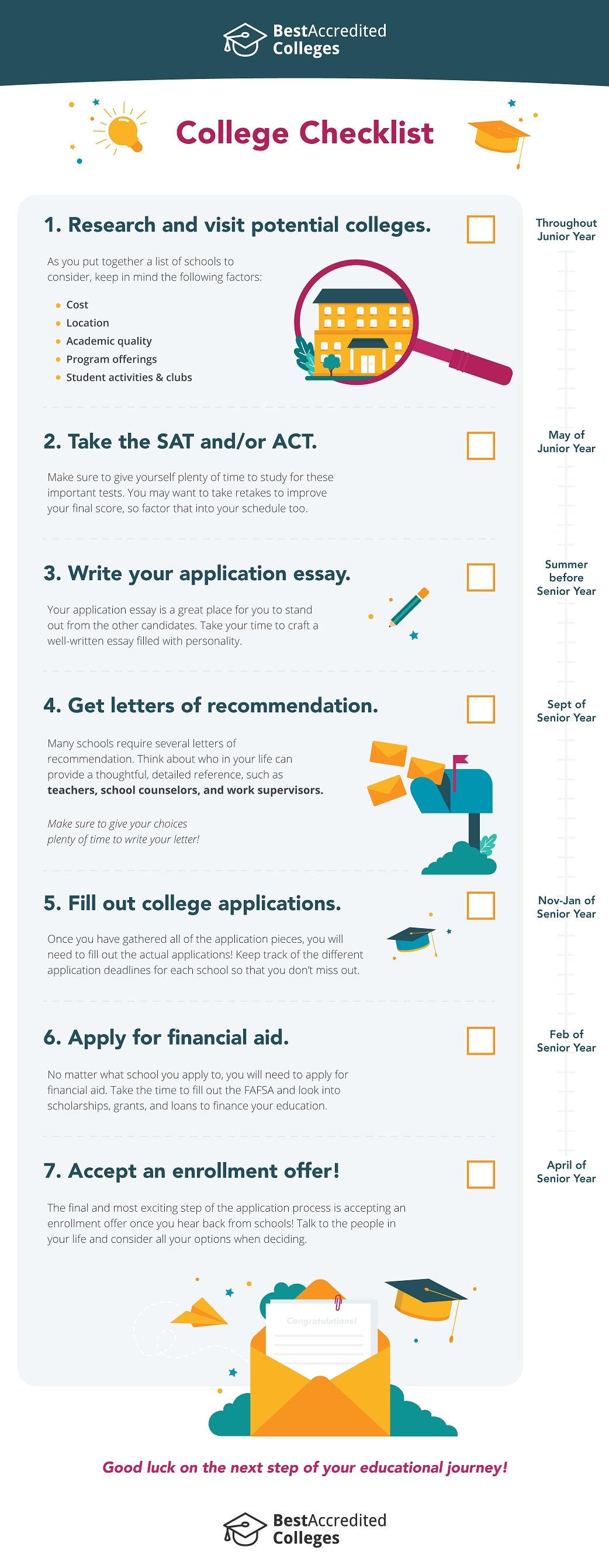
1. How to Apply for College Overview
Before any paperwork is filled out, thorough research defines the target list of schools. Factors such as program strength, campus culture, and tuition costs shape the decision matrix. Creating a spreadsheet that ranks institutions by fit and selectivity provides a visual roadmap and prevents last‑minute scrambling.
Next, establishing a timeline aligned with each school’s deadlines safeguards against missed opportunities. Early decision, early action, regular decision, and rolling admissions each have distinct cut‑off dates; aligning personal milestones—like SAT/ACT testing and recommendation requests—within this framework reduces stress.
2. Gathering Academic Records
- Transcripts
Official high school transcripts verify GPA, course rigor, and graduation status. A student at Lincoln High requested transcripts three weeks before the deadline, allowing the admissions office ample time to process them, which eliminated a potential hold on the application.
- Standardized Test Scores
Scores from the SAT, ACT, or subject tests provide a common metric for comparison. When a rural applicant submitted a strong SAT Math score, the college recognized analytical ability despite a modest overall GPA.
- Class Rank
Some institutions still consider class rank to gauge academic standing within a peer group. A top‑10% rank in a competitive urban school often offsets a lower standardized test score.
Ensuring each document is sent directly from the issuing authority, rather than via personal email, maintains authenticity and prevents processing delays.
3. Crafting the Personal Statement
- Theme Selection
Choosing a central narrative—such as overcoming adversity or a passion for environmental science—creates coherence. A prospective engineering student highlighted a robotics competition win, illustrating problem‑solving skills.
- Voice and Tone
Maintaining a reflective yet confident voice demonstrates maturity. Overly casual language can diminish perceived seriousness, while excessive jargon may obscure the message.
- Revision Cycle
Multiple drafts, peer feedback, and professional editing refine clarity. One applicant’s essay improved dramatically after a teacher suggested stronger opening imagery, resulting in a memorable hook.
- Word Limit Adherence
Sticking to the prescribed word count respects admissions guidelines. Exceeding limits often leads to automatic truncation, potentially omitting crucial details.
- Authenticity
Genuine anecdotes resonate more than generic praise. A candidate described volunteering at a local shelter, linking personal growth to future community service goals.
The personal statement acts as a narrative bridge between quantitative metrics and the applicant’s unique identity, influencing holistic review outcomes.
4. Securing Strong Recommendations
Letters of recommendation provide external validation of academic ability and character. Selecting teachers who know the applicant’s work ethic—such as a senior chemistry instructor who supervised a research project—yields detailed, compelling letters.
Providing recommenders with a résumé, transcript, and a brief outline of achievements streamlines the writing process and ensures inclusion of relevant highlights. Early requests, at least six weeks before deadlines, allow ample time for thoughtful composition.
5. Managing Financial Aid Applications
- FAFSA Completion
Filing the Free Application for Federal Student Aid (FAFSA) unlocks federal grants, work‑study, and low‑interest loans. A student from Ohio submitted the FAFSA on the first day it opened, receiving a $5,000 Pell Grant.
- CSS Profile Submission
Selective private colleges often require the CSS Profile for need‑based aid. Accurate financial data prevents delays in award calculations.
- Scholarship Research
Targeted searches for merit‑based scholarships—such as the Gates Millennium Scholars program—can supplement need‑based aid, reducing overall debt.
- Budget Planning
Creating a projected expense sheet, including tuition, room, board, and ancillary fees, helps compare net cost across institutions after aid packages are received.
Timely submission of all financial documents is essential; many schools award aid on a first‑come, first‑served basis, especially for limited‑fund scholarships.
6. Submitting the Application Package
Before final submission, a checklist verifies that every component—application form, essays, transcripts, test scores, recommendations, and financial documents—is uploaded correctly. A missed supplemental essay once caused an applicant’s application to be considered incomplete, delaying review.
Utilizing the preview function on platforms like the Common Application ensures formatting consistency and eliminates typographical errors. After submission, confirming receipt via email or portal status prevents unnoticed technical glitches.
7. Post‑Submission Follow‑Up
After the application is sent, monitoring admission portals for status updates, interview requests, or additional material requests maintains engagement. Responding within 24‑48 hours to interview invitations demonstrates professionalism and enthusiasm.
Finally, preparing for both acceptance and denial scenarios—such as creating a decision matrix for comparing offers—facilitates a smooth transition to enrollment or alternative pathways.
Frequently Asked Questions
Below are common queries about the college application journey.
Question 1: When should standardized tests be taken for maximum impact?
Testing in the junior year allows scores to be reported early, giving time for retakes if needed. Early scores also enable colleges to consider them during early‑action decisions, potentially strengthening the overall profile.
Question 2: Is it necessary to apply to both early‑action and regular‑decision schools?
Applying early can increase admission odds at schools that favor early applicants, but it is optional. Candidates should only apply early if the application is complete and the school is a top choice, avoiding rushed essays.
Question 3: How many recommendation letters are ideal?
Most institutions request two letters; a third optional letter can be added if it offers a distinct perspective, such as a community‑service mentor, without overwhelming the admissions committee.
Question 4: Can extracurricular activities be omitted if grades are strong?
While high grades are crucial, extracurricular involvement demonstrates leadership and well‑roundedness. Omitting them may reduce the holistic appeal of the application, especially at selective schools.
Question 5: What is the best way to handle a low GPA?
Addressing a low GPA directly in the additional information section, explaining extenuating circumstances, and highlighting upward trends can mitigate concerns. Supplementing with strong test scores and compelling essays further balances the profile.
Question 6: How soon after acceptance should enrollment be confirmed?
Most colleges require a decision by the May 1 national deadline. Confirming promptly secures a spot, allows the school to release seats to waitlisted candidates, and initiates financial‑aid disbursement.
Practical Tips for a Smooth Process
Tip 1: Start early. Beginning research and test preparation in sophomore year creates ample buffer for revisions.
Tip 2: Use a master calendar. Consolidating all deadlines—applications, tests, financial aid—prevents missed dates.
Tip 3: Keep digital backups. Storing essays and documents in cloud storage protects against accidental loss.
Tip 4: Seek feedback. Sharing essays with teachers or mentors uncovers blind spots and strengthens arguments.
Tip 5: Prioritize fit over prestige. Selecting schools that align with academic and personal goals increases satisfaction and retention.
Tip 6: Review financial offers side by side. Comparing net costs after aid reveals the true affordability of each option.
Tip 7: Celebrate milestones. Recognizing each completed step maintains motivation throughout the lengthy process.
Conclusion
The journey of how to apply for college comprises research, documentation, storytelling, and strategic follow‑up. Mastering each numbered aspect—from gathering records to managing financial aid—creates a cohesive, competitive application that reflects both academic readiness and personal potential.
Armed with this structured roadmap, future students can approach the admissions cycle with confidence, turning aspirations into accepted offers and setting the stage for academic success.

