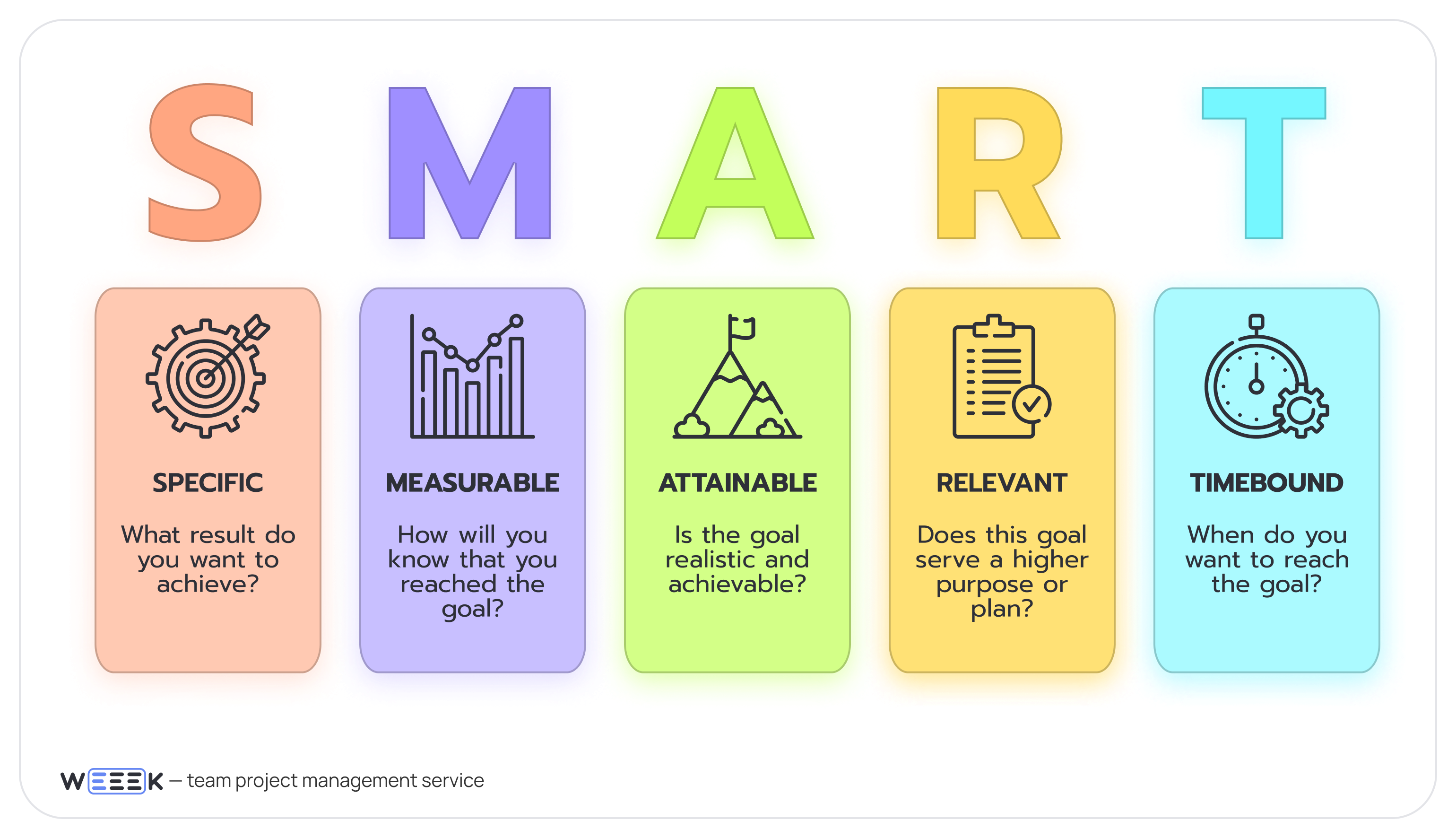
smart goals stand for a structured framework that turns vague ambitions into clear, actionable targets.
This acronym, popularized by Peter Drucker’s management theories and later refined by George T. Doran in 1981, outlines five essential criteria—Specific, Measurable, Achievable, Relevant, and Time‑bound—that together boost motivation, focus, and accountability across personal and professional projects.
The following sections unpack each component, illustrate real‑world applications, and provide actionable guidance for crafting goals that deliver measurable outcomes.
1. What smart goals stand for
Understanding the full meaning of the acronym is the foundation for effective goal design. Each letter represents a distinct quality that, when combined, creates a robust roadmap for success.
2. Specific: Defining Clear Objectives
- Clarity of purpose
Specific goals articulate exactly what is to be achieved, leaving no room for ambiguity. For example, “Increase organic traffic by 20%” is clearer than “Boost website performance.” This precision guides resource allocation and task prioritization.
- Target audience identification
Pinpointing who benefits from the goal ensures relevance. A marketing team might target “millennial shoppers in the US,” aligning tactics with demographic insights.
- Concrete metrics
Including quantifiable elements, such as “launch three new blog posts per month,” creates a tangible benchmark for progress tracking.
Specificity reduces misinterpretation and accelerates decision‑making, because every stakeholder knows exactly what success looks like.
3. Measurable: Tracking Progress
- Quantifiable indicators
Metrics like conversion rate, revenue growth, or user sign‑ups transform abstract goals into data‑driven targets. A SaaS company might aim for “15% monthly churn reduction,” providing a clear figure to monitor.
- Regular reporting cadence
Establishing weekly or monthly review cycles keeps teams accountable. Real‑time dashboards enable swift adjustments before minor setbacks become major issues.
- Benchmark comparison
Comparing current performance against historical baselines highlights trends and validates whether the goal remains realistic.
When progress can be measured, motivation stays high because achievements are visible and adjustments are evidence‑based.
4. Achievable: Balancing Ambition and Reality
Goals must stretch capabilities without becoming unattainable. Overly aggressive targets can demoralize teams, while modest goals may fail to inspire growth. Conducting a feasibility analysis—considering budget, talent, and time—helps set a realistic ceiling.
For instance, a startup aiming to “capture 5% market share within six months” might recalibrate to a 2% target after reviewing competitor activity and internal capacity, ensuring momentum without burnout.
5. Relevant: Aligning with Broader Strategy
- Strategic fit
Each goal should directly support the organization’s mission. A nonprofit focused on literacy would prioritize “distribute 10,000 books to schools,” rather than unrelated fundraising metrics.
- Stakeholder buy‑in
When goals resonate with key players—executives, employees, customers—commitment rises. Engaging cross‑functional teams during goal‑setting fosters ownership.
- Market relevance
Adapting goals to evolving industry trends ensures they remain valuable. A retail brand might shift from “increase foot traffic” to “grow omnichannel sales” as consumer behavior changes.
Relevance guarantees that effort translates into meaningful impact, reinforcing the purpose behind every action.
6. Time‑bound: Setting Deadlines for Execution
Embedding clear timelines creates urgency and prevents perpetual planning. Deadlines should be realistic yet challenging, often broken into milestones—quarterly reviews, sprint goals, or monthly checkpoints.
Example: A product team sets a “launch MVP by September 30,” then defines bi‑weekly sprints to deliver feature subsets, ensuring steady progress toward the final release date.
7. Integrating All Elements for Sustainable Success
When Specific, Measurable, Achievable, Relevant, and Time‑bound components work together, goals become living tools rather than static statements. Continuous feedback loops, iterative refinement, and alignment with strategic priorities transform the SMART framework into a dynamic engine for growth.
Frequently Asked Questions
Below are concise answers to common queries about the SMART methodology.
Question 1: What does each letter in SMART represent?
SMART stands for Specific, Measurable, Achievable, Relevant, and Time‑bound. Each criterion ensures that goals are clear, trackable, realistic, aligned with broader objectives, and bound by a deadline, fostering effective execution.
Question 2: Can SMART goals be applied to personal development?
Yes, the framework works for personal aims such as fitness, learning, or financial planning. Defining a specific target like “run 5 km in 30 minutes within three months” makes progress measurable and motivating.
Question 3: How often should SMART goals be reviewed?
Regular reviews—monthly or quarterly—are recommended. Frequent check‑ins allow teams to adjust tactics, celebrate milestones, and ensure the goal remains realistic and aligned with shifting priorities.
Question 4: What is a common mistake when setting SMART goals?
Over‑specifying can limit flexibility, while vague metrics undermine measurability. Balancing precision with adaptability prevents rigidity and keeps goals relevant amid changing circumstances.
Question 5: How does SMART differ from OKR?
SMART focuses on the qualities of a single goal, whereas OKR (Objectives and Key Results) pairs a broader objective with multiple measurable results. Both can complement each other in a layered performance‑management system.
Question 6: Is it necessary to use all five SMART criteria?
While each element adds value, some contexts may prioritize certain aspects. However, omitting any component often reduces clarity or accountability, so applying the full set is generally advisable.
Practical Tips for Implementing SMART Goals
These actionable suggestions help embed the framework into daily workflows.
Tip 1: Write goals as statements. Phrase each goal as a concise declaration, e.g., “Increase newsletter open rates to 25% by Q3.”
Tip 2: Use visual trackers. Kanban boards or Gantt charts make timelines and progress visible to the whole team.
Tip 3: Align with key performance indicators. Map each SMART element to existing KPIs to integrate seamlessly with reporting systems.
Tip 4: Conduct a feasibility audit. Before finalizing, assess resources, risk factors, and external constraints to confirm achievability.
Tip 5: Celebrate milestone achievements. Recognize interim successes to sustain motivation and reinforce the value of the SMART process.
Tip 6: Review and refine quarterly. Use data insights to adjust targets, ensuring continued relevance and realistic ambition.
Tip 7: Involve cross‑functional stakeholders. Gather input from diverse departments to guarantee that goals reflect organizational needs and expertise.
Conclusion
The SMART framework—what smart goals stand for—provides a proven blueprint for turning aspirations into actionable, measurable outcomes. By mastering each component, individuals and organizations can enhance focus, boost accountability, and drive sustainable growth.
Applying these principles consistently creates a culture of clarity and continuous improvement, positioning teams to adapt swiftly and achieve long‑term success.

