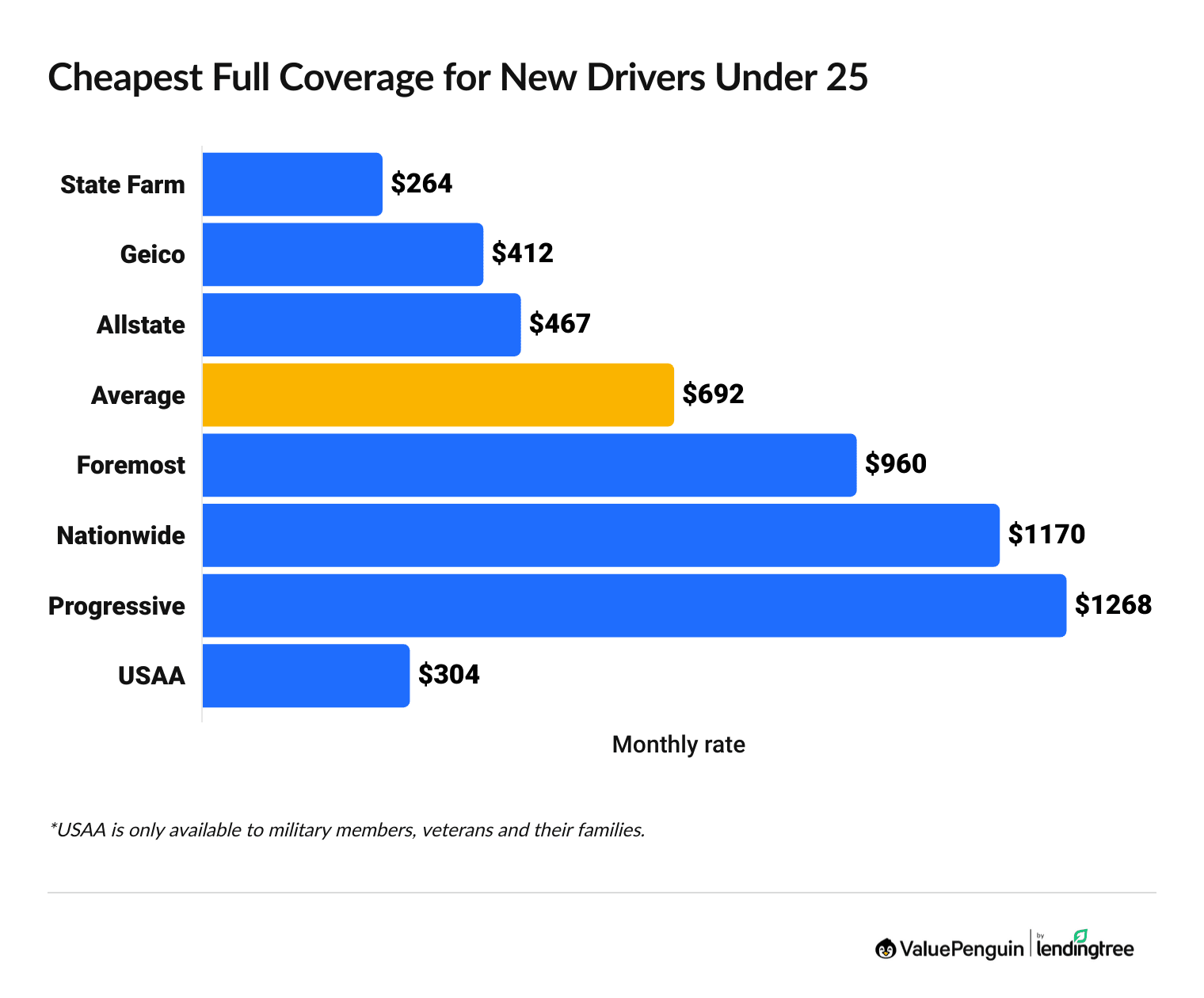
Affordable insurance for new drivers means a car insurance policy that balances cost and coverage for individuals who have recently obtained a driver’s license, such as a 17‑year‑old in Texas who pays $1,200 annually for a basic liability plan after qualifying for a safe‑driver discount.
Because insurance premiums are heavily influenced by age, driving experience, and risk perception, finding a policy that does not strain a limited budget is essential for maintaining mobility, meeting legal requirements, and avoiding financial setbacks after an accident.
The following sections explore pricing factors, discount options, coverage decisions, regulatory considerations, provider selection, and cost‑maintenance strategies, providing a roadmap for securing affordable insurance for new drivers.
1. Affordable Insurance for New Drivers
- Risk Assessment
Insurers evaluate age, driving record, and vehicle type; a 16‑year‑old driving a compact car typically faces lower risk scores than one driving a sports model, leading to reduced premiums.
- Policy Bundling
Combining auto coverage with homeowners or renters insurance often yields a multi‑policy discount; a family in Ohio saved 15% by bundling both policies with State Farm.
- Telematics Programs
Usage‑based insurance devices track mileage and driving behavior; a teenager in California reduced the annual cost by $250 after demonstrating safe braking patterns.
2. Pricing Dynamics
- State‑Level Factors
States with higher accident frequencies impose steeper rates; Michigan’s no‑fault system historically produced higher premiums compared to neighboring Indiana.
- Vehicle Choice
Cars equipped with advanced safety features, such as automatic emergency braking, qualify for lower rates; a 2022 Honda Civic earned a $100 discount from Geico.
- Credit History Influence
In many jurisdictions, a clean credit profile can shave 5‑10% off the quote; a recent graduate in Florida leveraged a strong credit score to lower costs.
3. Discount Opportunities
- Good Student Discount
Maintaining a GPA of 3.0 or higher often yields a 10% reduction; a senior in Pennsylvania saved $120 by providing transcript proof.
- Driver Education Completion
Finishing an accredited driver‑education course can cut premiums by up to 15%; a teen in Virginia received a $200 discount after completing a state‑approved program.
- Multi‑Car Savings
Adding a sibling’s vehicle to the same policy can reduce the overall cost; a family in Arizona saved $75 per car by insuring both siblings together.
4. Coverage Choices
Selecting the appropriate coverage limits and deductibles directly impacts affordability. Opting for higher deductibles, such as $1,000 instead of $500, lowers the premium while still providing essential liability protection required by law.
Balancing mandatory coverage—bodily injury and property damage—with optional add‑ons like collision or comprehensive depends on vehicle value and personal risk tolerance; a low‑value sedan may forgo collision to keep costs manageable.
Understanding the distinction between uninsured motorist coverage and medical payments helps avoid unnecessary overlap, ensuring that each dollar spent contributes to genuine protection.
5. State Regulations
- Minimum Liability Requirements
Each state sets its own minimum coverage; for example, New York mandates $25,000 per person for bodily injury, influencing baseline premium levels.
- No‑Fault vs. Fault Systems
No‑fault states often require personal injury protection, adding to the cost; drivers in Florida must include PIP, whereas those in Texas can opt out.
- Discount Legislation
Some states mandate discounts for defensive‑driving courses; Michigan’s recent reforms introduced a 5% credit for graduates of approved programs.
6. Choosing a Provider
Evaluating insurers involves comparing quote accuracy, claim‑handling reputation, and available discounts. Companies like USAA, which serve military families, consistently rank high for new‑driver rates, while regional carriers may offer tailored programs for local demographics.
Reading consumer reviews and checking state‑run complaint ratios provides insight into service quality; a low complaint ratio in the Texas Department of Insurance database indicates reliable claims processing.
Leveraging online comparison tools while confirming eligibility for specific discounts ensures that the selected policy truly reflects affordable insurance for new drivers.
7. Maintaining Low Costs
- Safe Driving Habits
Consistently obeying speed limits and avoiding hard braking reduces risk scores; a teenager in Washington maintained a clean record for two years, resulting in a 12% premium drop.
- Annual Policy Review
Reassessing coverage at renewal prevents over‑insuring; switching from comprehensive to liability after a car’s value depreciates saved $180 for a family in Colorado.
- Mileage Monitoring
Limiting annual mileage below 7,500 miles often triggers low‑usage discounts; a college student in Illinois qualified for a $90 reduction after logging 5,200 miles.
Frequently Asked Questions
Below are common inquiries about securing affordable insurance for new drivers.
Question 1: How does age affect premium rates for new drivers?
Insurers view younger drivers as higher risk, leading to elevated premiums; however, age‑related discounts become available after completing driver‑education courses or maintaining a clean record for a specified period.
Question 2: Can a vehicle’s safety features lower insurance costs?
Yes, features such as anti‑lock brakes, airbags, and collision‑avoidance systems signal reduced accident likelihood, often qualifying for manufacturer‑offered or insurer‑provided discounts.
Question 3: What is the impact of a good student discount?
Most carriers offer a 5‑15% reduction for students with a GPA of 3.0 or higher; proof of academic performance is typically required during the quote process.
Question 4: Are usage‑based insurance programs worth considering?
Telematics programs track driving behavior and mileage; safe drivers can see savings of $100‑$300 annually, making them attractive for tech‑savvy new drivers.
Question 5: How often should coverage be reviewed?
Reviewing policy details at each renewal, or after major life changes such as moving or purchasing a new vehicle, helps eliminate unnecessary coverage and capture new discount opportunities.
Question 6: Is bundling auto with other insurance policies effective?
Bundling typically yields a 10‑20% discount; families that combine home, renters, or life insurance with auto often achieve the greatest overall savings.
Tips
Implement these actionable steps to keep insurance affordable for new drivers.
Tip 1: Enroll in driver‑education. Completing a state‑approved course unlocks immediate discounts and builds safe‑driving habits.
Tip 2: Choose a low‑cost vehicle. Selecting a compact, safety‑rated car reduces both premium and repair expenses.
Tip 3: Increase the deductible. Raising the out‑of‑pocket amount lowers monthly payments while retaining essential coverage.
Tip 4: Leverage telematics. Install a usage‑based device to demonstrate safe driving and earn mileage discounts.
Tip 5: Maintain a clean record. Avoid traffic violations and accidents to qualify for progressive low‑risk rates.
Tip 6: Bundle policies. Combine auto insurance with homeowners or renters coverage for multi‑policy savings.
Tip 7: Shop annually. Compare quotes each year to capture new promotions and avoid rate creep.
Tip 8: Ask about good‑student discounts. Provide academic transcripts to secure a percentage reduction.
Tip 9: Opt for electronic statements. Many insurers offer paper‑less discounts for reduced processing costs.
Tip 10: Review coverage limits. Adjust limits to match vehicle value and personal risk tolerance.
Tip 11: Limit annual mileage. Keep yearly driving under threshold levels to qualify for low‑usage credits.
Tip 12: Stay informed on state laws. Understanding local minimum requirements prevents over‑insuring.
Tip 13: Utilize loyalty programs. Long‑term customers may receive renewal credits or accident‑free rewards.
Tip 14: Reassess after major life events. Update the policy after moving, changing schools, or adding a new driver to capture appropriate discounts.
Conclusion
Securing affordable insurance for new drivers requires understanding pricing dynamics, exploiting discounts, selecting appropriate coverage, and staying compliant with state regulations. By following the outlined strategies and regularly reviewing options, drivers can maintain essential protection without excessive cost.
Continued vigilance and proactive adjustments ensure that insurance remains both affordable and effective as driving experience grows.

