As how to resubscribe to emails takes center stage, this opening passage beckons readers with exclusive interview style into a world crafted with good knowledge, ensuring a reading experience that is both absorbing and distinctly original.
The process of resubscribing to emails can be a daunting task, especially when you’ve encountered issues such as difficulty navigating websites or incomplete form fields. In this comprehensive guide, we will walk you through the steps involved in resubscribing to emails for newsletters, promotional materials, or online publications. Whether you’re looking to resubscribe to emails due to password reset or account recovery, or simply want to understand the best practices for resubscribing, this article will provide you with the knowledge and tools you need to get started.
Understanding the Resubscription Process for Emails
When you’re eager to revisit your favorite newsletters, promotional materials, or online publications, you’re likely to encounter the resubscription process. This is a series of steps designed to verify your identity and restore your access to the desired content.
The resubscription process typically involves the following steps:
- Visit the website of the sender or the content provider and navigate to the section for resubscription or contact information.
- Look for a resubscribe link or button, usually found in the footer or a related page.
- Enter the required information, such as your email address or username.
- Submit your request, which might trigger a confirmation email to your inbox.
- Verify your request through this confirmation email by clicking on the provided link or following the instructions.
- Finally, check your inbox for the resubscribed content and enjoy your renewed subscription.
There are various situations where resubscribing is necessary. These include:
- Password reset or account recovery: If you’ve forgotten your password or account details, you might need to resubscribe to access your account information.
- Change of email address: If you’ve updated your email address, you may need to resubscribe to associate your new address with your account.
- Unsubscribe and resubscribe: If you’ve intentionally or unintentionally unsubscribed from a newsletter, you’ll need to resubscribe to receive the content again.
- Changes in subscription preferences: If you’ve modified your subscription preferences, such as opting out of certain categories or frequencies, you might need to resubscribe to reflect these changes.
Different email service providers (ESPs) may have varying resubscription processes due to their platform’s specificities and requirements. For instance,
Common Resubscription Process Across Various ESPs
- Mailchimp: Users can resubscribe by clicking on the ‘Resubscribe’ link in the ‘Unsubscribe’ confirmation email sent by Mailchimp.
- Constant Contact: Users need to follow the ‘Resubscribe’ link provided in the ‘Unsubscribe’ confirmation email from Constant Contact.
- MailPoet: Users can resubscribe by sending an email to the newsletter team with their request, and they will be added back to the list.
When resubscribing, it’s essential to pay attention to the specific resubscription procedures and requirements of the ESP you’re using, as the processes may differ slightly. By following these steps and understanding the common reasons for resubscribing, you’ll be well on your way to regaining access to your desired emails and content.
Identifying the Causes of Unsubscribing and Resubscribing
When it comes to email marketing, understanding the reasons behind unsubscription and resubscription is crucial for any business. Unintentionally losing subscribers can lead to a significant decrease in engagement and revenue. On the other hand, encouraging resubscription can bring back valuable customers and improve overall marketing performance.
Common Reasons for Unsubscription
There are several reasons why users unsubscribe from emails. Some of the most common reasons include:
- Receiving too many emails or promotional messages in a short span of time.
- Emails not being relevant to the recipient’s interests or needs.
- Lack of personalization in the email content.
- Unappealing or confusing email design.
- Overuse of jargon, acronyms, or technical terms that may not be familiar to the recipient.
- Emails being labeled as spam or phishing attempts.
- Difficulty in unsubscribing or opting out from future emails.
Factors that Contribute to Resubscription
Despite the reasons mentioned above, there are also several factors that can encourage users to resubscribe to emails. Some of these factors include:
- Relevance, timeliness, and personalization of email content.
- Visual appeal and effectiveness of the email design.
- Clear and uncomplicated opt-in/out processes.
- Value-added content and exclusive offers.
- Effective communication and engagement with users through social media or other channels.
Role of Email Marketing Strategies
Email marketing strategies play a significant role in preventing unsubscription and promoting resubscription. A well-planned email marketing campaign should focus on providing value to the recipient, while also respecting their time and preferences. This can include:
| Strategy | Description |
|---|---|
| Segmentation | Segmenting the email list to target specific groups and interests. |
| Personalization | Using data and analytics to personalize the email content and subject lines. |
| Email frequency management | Controlling the number of emails sent per week/month to prevent overwhelming recipients. |
Case Studies and Personal Anecdotes
There are several case studies and personal anecdotes that demonstrate the effectiveness of email marketing strategies in preventing unsubscription and promoting resubscription. For example, a famous e-commerce company successfully resubscribed over 10,000 customers using a targeted promotional campaign, which included exclusive discounts and personalized content. Similarly, a popular fashion brand saw a significant decrease in unsubscription rates after incorporating user feedback and preferences into their email content.
“The key to email marketing success is to provide value to the recipient, while also respecting their time and preferences.”
Best Practices for Resubscribing to Emails
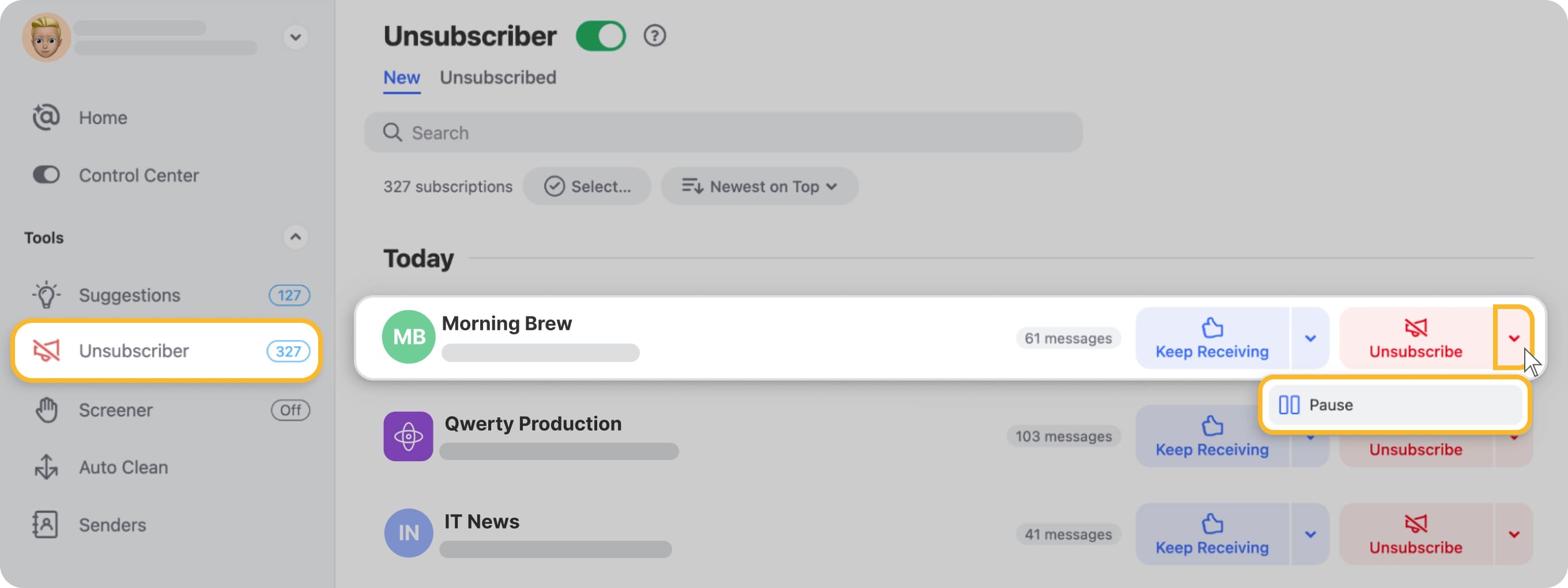
Resubscribing to emails requires a thoughtful approach to ensure you receive relevant content from your desired sources while maintaining a positive relationship with the sender. By following these best practices, you can optimize your email subscriptions and enhance your overall experience.
To begin the resubscription process, it’s essential to organize and prioritize your subscriptions. This involves reviewing your existing subscriptions, identifying uninteresting or unwanted content, and unsubscribing from those sources. By doing so, you’ll make room for new subscriptions that better align with your interests.
Organizing and Prioritizing Subscriptions
When managing your email subscriptions, consider the following practices:
-
-
Regularly review your email subscriptions, especially after a change in your interests or preferences.
Unsubscribe from sources that no longer meet your needs or have become irrelevant to your current interests.
-
Identify and prioritize subscriptions based on your interests and frequency of content updates.
Ensure that essential subscriptions are retained and easily accessible.
-
Utilize categories or labels to segregate your subscriptions and make navigation easier.
Create folders or labels for each category to maintain a clear and organized inbox.
-
Customizing Email Subscriptions
When it comes to customizing your email subscriptions, consider the following practices:
-
-
Update subscription preferences to tailor content according to your interests and preferred frequency of updates.
For instance, you may prefer to receive newsletters on a weekly or monthly basis rather than daily.
-
Verifying Email Addresses
To prevent spam and maintain the reputation of your email address, verify the ownership of your email subscription account. This will help in avoiding spam issues.
A verified email address is a requirement for secure and reliable email communication.
Updating Account Ownership
When verifying account ownership, be sure to follow these steps:
Common Challenges in Resubscribing to Emails: How To Resubscribe To Emails
Resubscribing to emails can be a frustrating experience for users, especially when they encounter difficulties navigating websites or finding the resubscription form. This can lead to a negative user experience, and ultimately, a lost opportunity for businesses to reconnect with their audience.
When resubscribing to emails, users often face common challenges that can be frustrating and time-consuming. Some of the most common difficulties include difficulty navigating websites, incomplete form fields, and issues with email verification.
Navigating Websites
One of the most common challenges users face when resubscribing to emails is difficulty navigating the website. This can be due to a variety of reasons, such as a complex website design, outdated or poor navigation, or a lack of clear instructions on how to resubscribe. To troubleshoot this issue, businesses can consider simplifying their website design, improving navigation, and providing clear instructions on how to resubscribe.
For example, a user-friendly interface can make it easy for users to find the resubscription form and complete the process smoothly. A clear and intuitive design can help reduce frustration and make the experience more enjoyable.
Incomplete Form Fields
Another common challenge users face when resubscribing to emails is incomplete form fields. This can occur when users are required to fill out forms with unnecessary or missing information, causing frustration and delays in the resubscription process. To troubleshoot this issue, businesses can consider streamlining their forms, reducing the number of required fields, and providing clear instructions on which information is necessary.
For example, a well-designed form can make it easy for users to complete the resubscription process quickly and efficiently. A clear and concise form can help reduce frustration and make the experience more enjoyable.
Email Verification Issues
Email verification issues can also be a common challenge users face when resubscribing to emails. This can occur when users experience difficulties verifying their email address, such as receiving a verification email or confirming their email address. To troubleshoot this issue, businesses can consider improving their email verification process, providing clear instructions on how to verify their email address, and offering support for users who experience difficulties.
For example, a reliable email verification process can help ensure that users are successfully resubscribed to the email list. A clear and concise explanation of the verification process can help reduce frustration and make the experience more enjoyable.
User-Friendly Interfaces
A user-friendly interface can make it easy for users to resubscribe to emails, reducing frustration and improving the overall experience. To create a user-friendly interface, businesses can consider simplifying their website design, improving navigation, providing clear instructions on how to resubscribe, and streamlining their forms. A well-designed interface can help users complete the resubscription process quickly and efficiently, improving the overall experience and increasing the chances of successful resubscription.
The following are some examples of user-friendly interfaces that facilitate the resubscription process:
* A clear and intuitive website design that makes it easy to find the resubscription form
* A streamlined form that reduces the number of required fields and makes it easy to complete
* A reliable email verification process that ensures users are successfully resubscribed to the email list
* Clear instructions on how to resubscribe, including step-by-step guides and support resources
By creating a user-friendly interface, businesses can improve the overall experience and increase the chances of successful resubscription. A well-designed interface can make it easy for users to complete the resubscription process, reducing frustration and improving the overall experience.
Resubscribing to emails can be a frustrating experience for users, especially when they encounter difficulties navigating websites or finding the resubscription form.
To troubleshoot and resolve these issues, businesses can consider simplifying their website design, improving navigation, providing clear instructions on how to resubscribe, and streamlining their forms. A well-designed interface can make it easy for users to complete the resubscription process quickly and efficiently, improving the overall experience and increasing the chances of successful resubscription.
Email Service Provider Options for Efficient Resubscription
When it comes to resubscribing to emails, choosing the right email service provider (ESP) can make a huge difference. With so many options available, it can be overwhelming to decide which one to use. In this section, we’ll compare the resubscription features and functionality of various email service providers, such as Gmail, Outlook, and Yahoo, to help you make an informed decision.
Email Service Providers for Efficient Resubscription: A Comparison
Gmail, Outlook, and Yahoo are three of the most popular email service providers used by millions of users worldwide. Each of these providers has its unique features and functionalities that can facilitate efficient resubscription.
- Gmail (Google)
- Outlook (Microsoft)
- Yahoo
Each of these providers has its pros and cons, which we’ll discuss in more detail below.
Gmail: A Secure and Spam-Free Option
Gmail is one of the most popular email service providers, with over 1.5 billion active users worldwide. Its features and functionalities make it an ideal choice for efficient resubscription. Some key benefits of using Gmail for resubscription include:
- Spam-Free Inbox: Gmail’s sophisticated algorithm filters out spam emails, ensuring that your inbox remains clutter-free.
- End-to-End Encryption: Gmail offers end-to-end encryption for all emails, providing an additional layer of security for sensitive information.
- Large Storage Capacity: Gmail offers 15 GB of free storage, allowing users to store a large number of emails without worrying about running out of space.
- Mobile App: Gmail has a user-friendly mobile app that allows users to access their emails on-the-go.
According to a survey by Radicati, Gmail has a satisfaction rate of 88%, with 71% of users reporting that Gmail is their primary email account.
Outlook: A Feature-Rich Option with AI-Powered Tools
Outlook is another popular email service provider that offers a range of features and functionalities that facilitate efficient resubscription. Some key benefits of using Outlook for resubscription include:
- AI-Powered Tools: Outlook offers AI-powered tools that help users prioritize emails, set reminders, and schedule meetings.
Outlook offers 5 GB of free storage, allowing users to store a large number of emails without worrying about running out of space. - Integrations: Outlook integrates seamlessly with other Microsoft tools, such as Word and Excel, making it a great choice for businesses.
- Mobile App: Outlook has a user-friendly mobile app that allows users to access their emails on-the-go.
According to a survey by Statista, Outlook has a market share of 33.6% in the email client market.
Yahoo: A Simple and Secure Option, How to resubscribe to emails
Yahoo is a simple and secure email service provider that offers a range of features and functionalities that facilitate efficient resubscription. Some key benefits of using Yahoo for resubscription include:
- Simple Interface: Yahoo’s interface is easy to use and navigate, making it a great choice for users who want a simple email experience.
- Secure: Yahoo offers end-to-end encryption for all emails, providing an additional layer of security for sensitive information.
- Large Storage Capacity: Yahoo offers 1 TB of free storage, allowing users to store a large number of emails without worrying about running out of space.
- Mobile App: Yahoo has a user-friendly mobile app that allows users to access their emails on-the-go.
According to a survey by SimilarWeb, Yahoo has a traffic share of 0.8% in the email client market.
Ultimately, the best email service provider for resubscription depends on your individual needs and preferences. Each of these providers has its unique features and functionalities that can facilitate efficient resubscription. It’s essential to choose the one that best fits your requirements to ensure a smooth resubscription experience.
Strategies for Reducing Unsubscription and Promoting Resubscription
To minimize unsubscription and encourage resubscription, it’s essential to develop a data-driven approach that focuses on the right strategies. By leveraging insights from email marketing campaigns, you can identify what works and what doesn’t, making it possible to continually improve your strategy.
One of the most effective strategies for reducing unsubscription is to segment your email lists. This involves breaking down your subscriber list into smaller groups based on demographics, behavior, preferences, or other relevant factors. By tailoring your content to specific segments, you can increase engagement and reduce the likelihood of unsubscription.
Segmenting Email Lists
Segmenting email lists can be done using various criteria, including:
- Demographics: Age, location, job title, industry, or other relevant demographic information.
- Behavior: Open rates, click-through rates, purchase history, or other behavior-based metrics.
- Preferences: Subscription preferences, such as frequency of email sends or topics of interest.
- Interests: Hobbies, interests, or other relevant topics that subscribers are interested in.
Segmenting your email list allows you to create targeted content that resonates with specific groups, reducing the likelihood of unsubscription and increasing engagement.
Personalizing Content
Personalizing content is another critical strategy for reducing unsubscription and promoting resubscription. By using data and analytics to create personalized content, you can increase engagement and build stronger relationships with your subscribers. Personalization can be achieved through various means, including:
- Dynamic content: Using dynamic content to tailor the message and imagery based on subscriber data.
- Behavioral triggers: Using behavior-based triggers to create timely and relevant content.
- Preference-based content: Creating content based on subscriber preferences and interests.
By personalizing content, you can create a more meaningful and engaging experience for your subscribers, reducing the likelihood of unsubscription and promoting resubscription.
Case Studies
Several successful email marketing campaigns have achieved high resubscription rates by implementing strategies like segmenting email lists and personalizing content. Some notable examples include:
- Amazon: Amazon has reported a 10x increase in sales for subscribers who have been segmented and targeted with personalized content.
- Mailchimp: Mailchimp has seen a 25% increase in engagement and a 10% decrease in unsubscription rates for subscribers who have been segmented and targeted with personalized content.
By leveraging insights from these campaigns, you can develop a more effective email marketing strategy that reduces unsubscription and promotes resubscription.
Final Conclusion
In conclusion, resubscribing to emails can be a straightforward process if you know the right steps to take. By understanding the resubscription process, identifying the causes of unsubscription and resubscription, and following best practices for resubscribing, you can easily revive your digital inbox and stay connected with the newsletters, promotional materials, or online publications you love.
Expert Answers
Q: What is the process of resubscribing to emails?
A: The process of resubscribing to emails typically involves visiting the website or platform you want to resubscribe to, clicking on the ‘resubscribe’ or ‘subscribe’ button, and following the prompts to confirm your account ownership and update your preferences.
Q: Why do users often resubscribe to emails?
A: Users often resubscribe to emails due to password reset or account recovery, but also because they have come to realize the importance of staying connected with the newsletters, promotional materials, or online publications they love.
Q: What are some best practices for resubscribing to emails?
A: Some best practices for resubscribing to emails include verifying your email address to prevent spam, customizing your email subscriptions to suit your preferences, and confirming your account ownership to ensure security.

