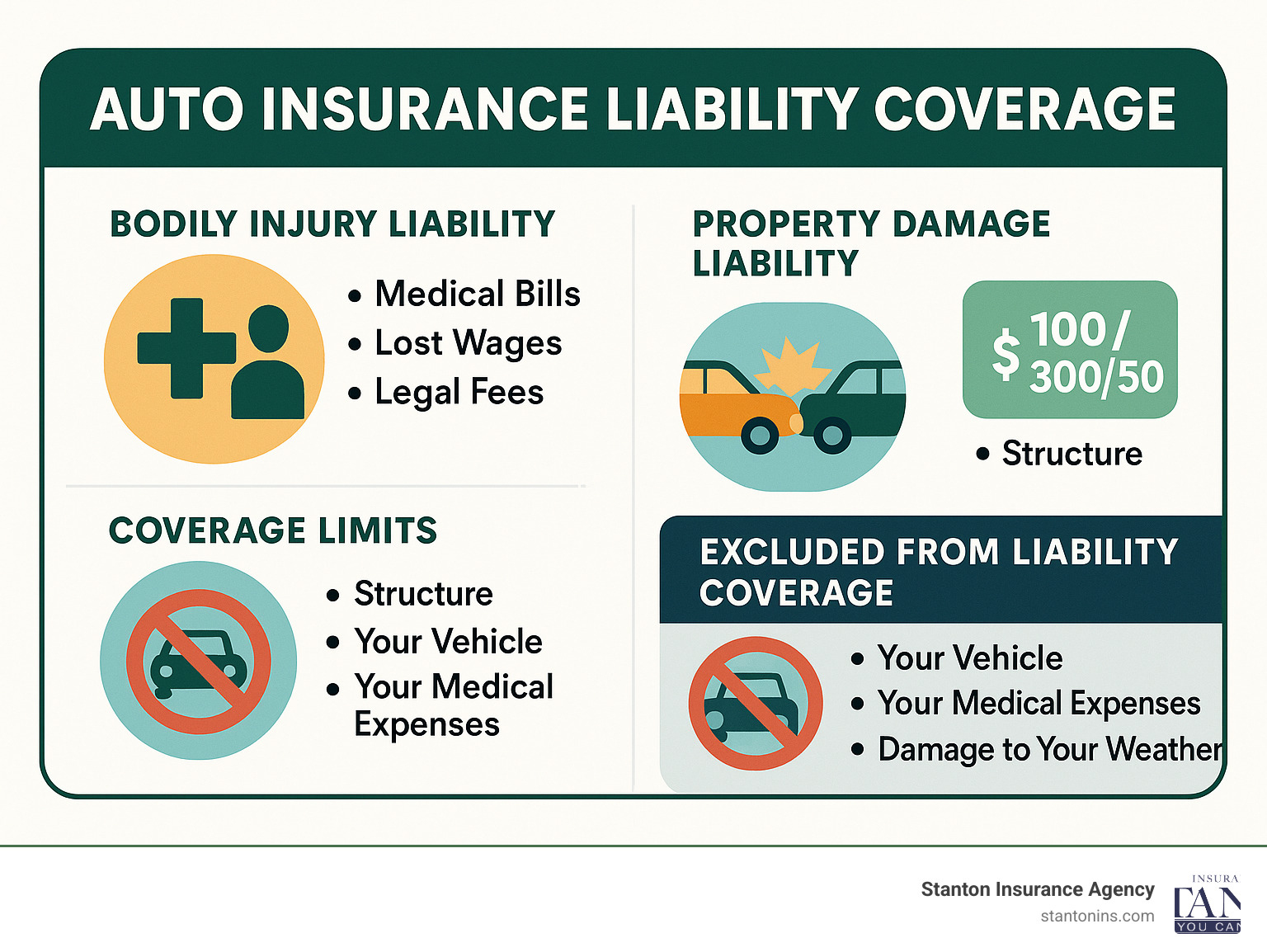
auto insurance liability coverage definition refers to the portion of an automobile policy that pays for bodily injury and property damage that the insured driver causes to others in an accident. For example, if a driver in California rear‑ends a parked car, the liability coverage will cover the repair costs and any medical expenses of the other party.
This coverage is a legal requirement in most U.S. states and serves as a financial safety net, preventing drivers from facing ruinous out‑of‑pocket expenses after an accident. Historically, liability limits have risen alongside vehicle values and medical costs, making adequate coverage increasingly vital.
The following sections break down the core components of liability coverage, common misconceptions, cost factors, and practical steps to ensure optimal protection.
1. Auto Insurance Liability Coverage Definition
Understanding the exact meaning of liability coverage is the foundation for any driver seeking adequate protection. It encompasses two primary sub‑coverages: bodily injury liability (BIL) and property damage liability (PDL). Both are designed to compensate third parties, not the policyholder.
2. Core Components
- Bodily Injury Liability
This facet covers medical bills, lost wages, and legal fees for injured parties. For instance, a driver causing a multi‑vehicle pile‑up may be liable for hundreds of thousands in medical costs, which BIL would address.
- Property Damage Liability
PDL pays for repairs or replacement of another’s vehicle or property. A real‑life scenario involves a driver hitting a fence; PDL would fund the fence’s reconstruction.
- Per‑Occurrence Limits
These limits define the maximum payout per accident. A typical limit might be $100,000 per person and $300,000 per accident, influencing how much protection is available.
- Aggregate Limits
Some policies cap total payouts over a policy year, affecting coverage if multiple claims arise.
- State Minimums
Each state sets a baseline; however, minimums often fall short of actual costs, prompting drivers to purchase higher limits.
3. Cost Influencers
Premiums for liability coverage fluctuate based on driving history, vehicle type, and geographic risk. Younger drivers or those with prior accidents typically face higher rates. Additionally, higher coverage limits increase premiums but provide stronger financial protection.
Insurance providers also consider credit scores and mileage, as these factors correlate with claim likelihood. Understanding these variables helps drivers make cost‑effective choices without sacrificing essential coverage.
4. Common Misconceptions
- “Liability Covers My Car”
Liability does not pay for the insured’s vehicle damage; that requires collision or comprehensive coverage.
- “State Minimum Is Sufficient”
Minimum limits often fail to cover severe injuries or total loss of property, leaving drivers exposed to personal lawsuits.
- “Higher Limits Are Unnecessary”
In high‑risk areas or for drivers with significant assets, higher limits protect against potential judgments that could affect personal finances.
5. Legal Implications
If liability limits are exceeded, the driver may be personally liable, leading to wage garnishment or asset seizure. Courts may also order drivers to pay punitive damages, which are not covered by standard liability policies.
Understanding the legal backdrop underscores why adequate limits are crucial, especially for drivers with substantial net worth or those operating high‑value vehicles.
6. Choosing the Right Limits
Assess personal assets, typical driving environments, and potential accident severity. A common strategy is to select limits at least three times the value of one’s net assets, ensuring that any judgment remains within the policy’s scope.
Consulting with an insurance agent and reviewing past claim data in the driver’s region can further refine the appropriate coverage amount.
7. Impact of Claims History
- Claim Frequency
Frequent small claims can raise premiums more than a single large claim, as insurers view the driver as higher risk.
- Claim Severity
High‑value claims may trigger policy reviews and potential non‑renewal if the driver is deemed excessively risky.
- Loss Mitigation Programs
Some insurers offer safe‑driving discounts or telematics programs that can offset the cost impact of past claims.
8. Future Trends
Emerging technologies such as autonomous driving systems and real‑time risk assessment tools are reshaping liability underwriting. Insurers are beginning to incorporate vehicle‑to‑infrastructure data to better predict accident likelihood and adjust premiums accordingly.
Drivers should stay informed about these developments, as they may affect both coverage requirements and pricing structures in the coming years.
Frequently Asked Questions
Below are answers to the most common queries about liability coverage.
Question 1: What does liability coverage actually pay for?
Liability coverage pays for bodily injury and property damage that the insured driver causes to third parties. It does not cover the driver’s own injuries or vehicle repairs.
Question 2: Are state minimum limits enough?
State minimums often fall short of covering serious accidents, leaving drivers vulnerable to personal liability. Higher limits are recommended to ensure adequate protection.
Question 3: How are liability premiums calculated?
Premiums depend on factors such as driving record, vehicle type, location, credit score, and chosen coverage limits. Younger drivers and those with accidents typically pay more.
Question 4: Can liability coverage be increased later?
Yes, drivers can adjust limits during policy renewal or by contacting their insurer for mid‑term changes, often with an adjusted premium.
Question 5: What happens if a claim exceeds my limits?
If damages surpass the policy limits, the driver becomes personally responsible for the excess, which may lead to lawsuits or asset seizure.
Question 6: Does liability cover uninsured motorists?
Liability does not cover injuries caused by an uninsured driver; a separate uninsured motorist coverage is needed for that protection.
Top 15 Tips for Optimal Liability Coverage
Tip 1: Assess Asset Exposure. Determine total net worth and choose limits that exceed potential judgments.
Tip 2: Review State Requirements. Know the legal minimums and exceed them for better protection.
Tip 3: Compare Multiple Quotes. Shop across insurers to find competitive rates for comparable limits.
Tip 4: Bundle Policies. Combine auto with home or renters insurance for discounts.
Tip 5: Maintain a Clean Driving Record. Avoid tickets and accidents to keep premiums low.
Tip 6: Utilize Telemetry Discounts. Enroll in safe‑driving programs that monitor behavior.
Tip 7: Increase Limits Gradually. Raise coverage in increments to manage premium spikes.
Tip 8: Check for Discounts. Look for good‑student, low‑mileage, or defensive‑driver discounts.
Tip 9: Review Annually. Reevaluate coverage each year as assets and risk factors change.
Tip 10: Understand Exclusions. Know what scenarios are not covered to avoid surprises.
Tip 11: Add an Umbrella Policy. Consider extra liability protection beyond auto limits.
Tip 12: Verify Insurer’s Financial Strength. Choose companies with strong ratings for claim reliability.
Tip 13: Keep Documentation. Maintain records of all accidents and repairs for accurate claims.
Tip 14: Educate All Drivers. Ensure every household driver understands coverage limits and responsibilities.
Tip 15: Stay Informed on Legislation. Monitor changes in state laws that may affect required coverage.
Conclusion
Understanding the auto insurance liability coverage definition and its nuanced components equips drivers to select appropriate limits, avoid costly gaps, and safeguard personal assets. By evaluating risk, comparing policies, and staying current on legal and technological trends, drivers can maintain robust protection.
Implementing the outlined tips and regularly reviewing coverage ensures long‑term financial security and peace of mind on the road.

