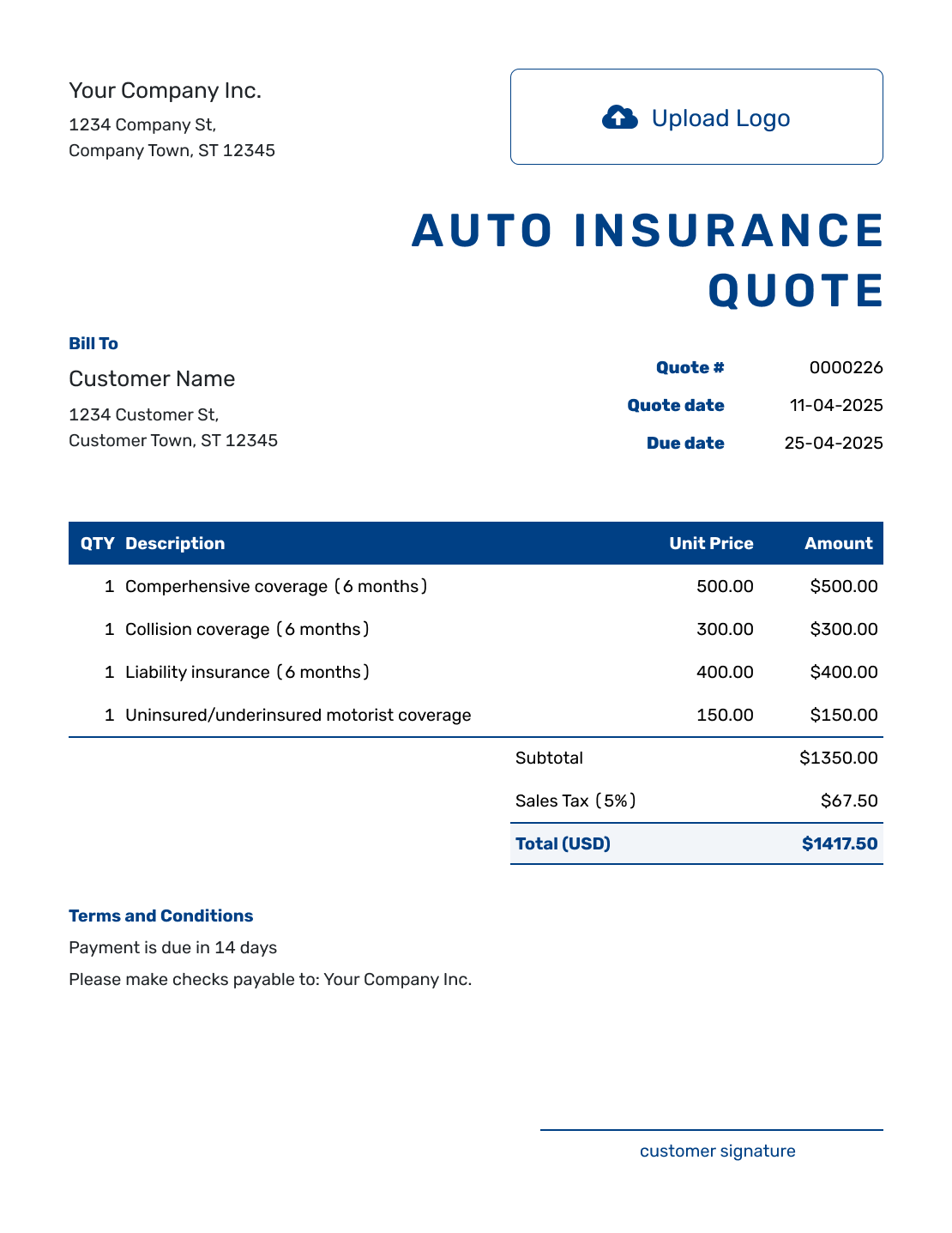
Automatic car insurance quotes streamline the process of getting price estimates by using algorithms that pull data from multiple carriers instantly.
This technology matters because it reduces the time spent on phone calls, offers transparent pricing, and often reveals discounts that traditional agents might miss; historically, insurers relied on manual underwriting, but digital platforms now dominate the market.
The following sections explore how these quotes are generated, what factors influence them, common errors to avoid, and actionable steps for maximizing savings.
1. How Automatic Quotes Are Generated
Algorithms collect driver information, vehicle details, and location data, then match them against underwriting rules from various insurers.
- Data aggregation
Platforms gather inputs from DMV records, credit bureaus, and telematics; for example, a driver in Ohio sees three rates within minutes, highlighting market competition.
- Risk scoring
Each insurer assigns a risk score based on age, driving history, and mileage; a clean record may drop the premium by 15% compared to a similar driver with accidents.
- Instant pricing
The system applies pricing formulas instantly, delivering a quote in seconds rather than days, enabling quick decision‑making.
2. Key Factors Influencing Prices
Age, vehicle type, and credit score remain primary drivers of cost, but automatic platforms also consider real‑time variables like weather‑related claim trends.
For instance, a 2022 Subaru Outback in a low‑claim area may receive a lower quote than the same model in a high‑claim coastal city, illustrating geographic impact.
3. Common Mistakes When Using Automatic Tools
- Incomplete data entry
Leaving out a secondary driver can skew results; a family of four often underestimates premiums by omitting the spouse’s license.
- Relying on a single quote
Choosing the first offer may miss better deals; comparing at least three quotes typically reveals a 10‑20% price spread.
- Ignoring coverage nuances
Focusing only on price overlooks deductible levels; a lower premium with a high deductible may cost more in a claim.
4. Benefits of Real‑Time Comparison
Instant comparison empowers consumers to negotiate with insurers, leverage competitive offers, and identify emerging market trends such as usage‑based discounts.
Drivers who switch after seeing a better automatic quote often save enough to fund vehicle upgrades or emergency funds.
5. Security and Privacy Considerations
Platforms must comply with GDPR and CCPA, encrypting personal data during transmission; reputable sites display clear privacy policies.
Choosing services with two‑factor authentication reduces the risk of identity theft while submitting sensitive driver information.
6. Future Trends in Automatic Quoting
Artificial intelligence will refine risk models, incorporating real‑time driving behavior from connected cars, leading to hyper‑personalized premiums.
Blockchain could later enable immutable claim histories, further enhancing trust in automated pricing mechanisms.
Frequently Asked Questions
Below are quick answers to the most common queries about automatic car insurance quotes.
Question 1: How quickly can a quote be generated?
Most platforms deliver an estimate within 60 seconds after all required information is entered, allowing immediate comparison across multiple carriers.
Question 2: Are the quotes binding?
Quotes are typically non‑binding estimates; final rates may adjust after underwriting verification, but they provide a reliable baseline for budgeting.
Question 3: What information is needed?
Drivers usually input personal details, vehicle identification number, driving history, mileage, and sometimes credit score to receive accurate pricing.
Question 4: Can discounts be missed?
Automated tools often include built‑in discount filters, yet manually checking for loyalty, multi‑policy, or safe‑driver discounts can uncover additional savings.
Question 5: Is personal data safe?
Reputable services encrypt data, adhere to privacy regulations, and limit data retention, reducing exposure risk compared to phone‑based submissions.
Question 6: Should multiple quotes be compared?
Yes, reviewing at least three distinct estimates helps identify price variance, coverage differences, and the best overall value for the driver’s needs.
Tips for Getting the Best Automatic Car Insurance Quotes
Follow these sixteen actionable steps to maximize savings and coverage quality.
Tip 1: Use the same driver profile on every platform to ensure apples‑to‑apples comparisons.
Tip 2: Include all licensed drivers in the household for accurate risk assessment.
Tip 3: Enter the exact VIN to capture model‑specific safety features that lower rates.
Tip 4: Update mileage estimates to reflect actual annual travel, avoiding inflated premiums.
Tip 5: Check credit score impact; a higher score often translates to lower quoted premiums.
Tip 6: Look for usage‑based programs that reward low mileage or safe driving habits.
Tip 7: Review deductible options; a higher deductible can reduce the quoted price substantially.
Tip 8: Search for multi‑policy discounts when bundling auto with home or renters insurance.
Tip 9: Verify that the insurer is licensed in the driver’s state to avoid invalid coverage.
Tip 10: Examine coverage limits; ensure they meet state minimums and personal asset protection needs.
Tip 11: Look for loyalty discounts if the driver has a long‑standing relationship with a carrier.
Tip 12: Consider safe‑driver programs that reward accident‑free records with lower rates.
Tip 13: Use secure connections (HTTPS) when submitting personal data to protect privacy.
Tip 14: Read user reviews of the quoting platform to gauge reliability and customer service.
Tip 15: Re‑run quotes annually or after major life events to capture new discount opportunities.
Tip 16: Contact the insurer directly after receiving an automatic quote to negotiate or clarify coverage details.
Conclusion
Automatic car insurance quotes simplify price discovery, empower consumers with transparent data, and highlight savings opportunities that traditional methods often obscure.
As technology advances, drivers can expect even more personalized, secure, and instant quoting experiences, making informed insurance choices easier than ever before.

