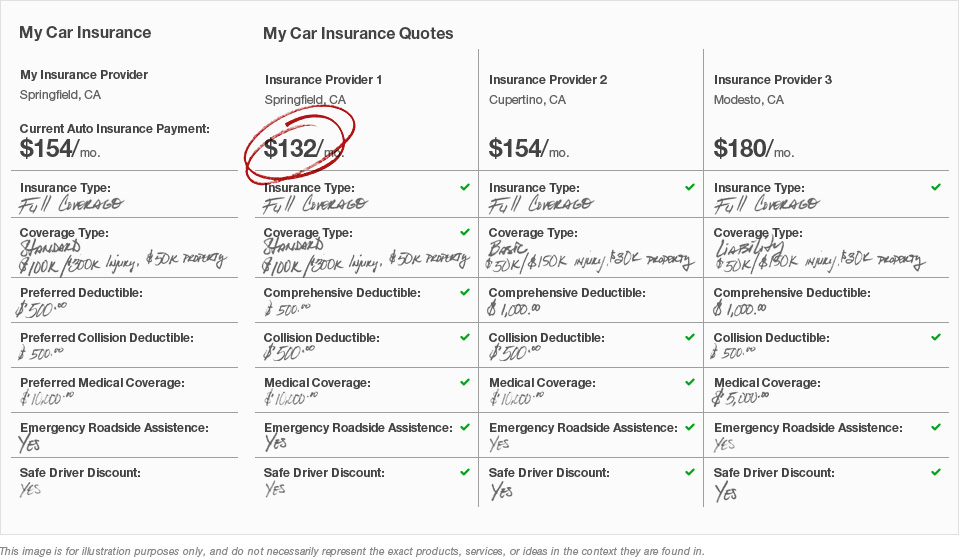
Auto insurance price quotes are estimates provided by insurers that outline the cost of covering a vehicle based on personal risk factors, driving history, and coverage preferences. For example, a 30‑year‑old driver in Ohio might receive a quote of $1,200 annually from State Farm after entering mileage, vehicle model, and deductible choices. These figures serve as a baseline for budgeting and negotiating coverage.
Understanding these quotes is crucial because they directly affect household expenses, influence financial planning, and determine the level of protection against accidents, theft, and liability. Historically, the shift from paper applications to online comparison tools has democratized access, allowing consumers to evaluate multiple insurers within minutes rather than weeks.
This article explores the mechanics behind auto insurance price quotes, common pitfalls, factors that drive premiums, and actionable steps to secure the best deal. Readers will gain a clear roadmap for comparing offers, optimizing coverage, and avoiding hidden costs.
1. Pricing Dynamics
Premium calculations blend statistical risk models with personal data, resulting in a price that reflects both probability of a claim and the insurer’s cost structure. Factors such as age, location, vehicle type, and credit score interact in complex ways, creating variability across providers.
- Risk Scoring
Insurers assign a numeric score based on driving records and claims history. A driver with three recent accidents may see a 30% surcharge, illustrating how risk directly inflates the quote.
- Geographic Adjustment
Urban areas with higher traffic density typically command higher rates. For instance, a driver in Los Angeles might pay $150 more than a counterpart in a rural Montana town.
- Vehicle Value
Luxury or high‑performance cars increase repair costs, prompting insurers to raise premiums. A 2022 BMW 3 Series could add $200 to an annual quote compared with a standard sedan.
Understanding these dynamics enables shoppers to identify which levers they can influence, such as improving driving habits or selecting a less expensive vehicle.
2. Common Mistakes
- Skipping Coverage Review
Many consumers accept the first quote without checking if liability limits match state minimums. Over‑insuring can waste money, while under‑insuring leaves gaps in protection.
- Ignoring Discounts
Bundling home and auto policies often yields 10‑15% savings, yet many overlook this option. A real‑life example: a family saved $180 annually by combining policies with Allstate.
- Providing Inaccurate Data
Estimating mileage low to lower cost may lead to claim denial if actual usage exceeds the reported figure. Accurate inputs protect against future disputes.
These errors typically stem from haste or lack of awareness, emphasizing the need for thorough comparison and verification.
3. Discount Opportunities
Insurers reward safe behavior, loyalty, and multi‑policy ownership with a variety of discounts. Understanding eligibility criteria can shave dozens to hundreds of dollars off the quote.
- Safe Driver Discount
Maintaining a clean record for three years can reduce premiums by up to 20%. A driver in Texas experienced a $250 reduction after completing a defensive‑driving course.
- Low‑Mileage Discount
Driving fewer than 7,500 miles per year often qualifies for a 5‑10% discount, reflecting lower exposure to accidents.
- Good Student Discount
Full‑time students with a GPA above 3.0 may receive a 15% reduction, encouraging responsible behavior among younger drivers.
Proactively inquiring about each discount ensures the quote reflects all possible savings.
4. Comparison Tools
Online aggregators like NerdWallet, The Zebra, and Compare.com compile quotes from multiple carriers, allowing side‑by‑side evaluation of price, coverage limits, and deductible options. These platforms standardize inputs, reducing manual entry errors.
While convenient, it is essential to verify that the displayed quote includes taxes, fees, and any state‑specific surcharges, as some tools present a base rate that may differ from the final billed amount.
5. Impact of Credit Scores
In most states, insurers use credit-based insurance scores to predict claim likelihood. A higher credit rating can lower the quote by 5‑15%, whereas a poor score may inflate it substantially.
Improving credit health—through timely bill payments and reduced debt utilization—can therefore translate into measurable savings on auto insurance price quotes.
6. Role of Deductibles
Choosing a higher deductible lowers the premium, as the policyholder assumes more cost in the event of a claim. For example, increasing the deductible from $500 to $1,000 might cut the annual quote by $100.
Balancing deductible size with emergency fund availability is critical; an unaffordable out‑of‑pocket expense can negate the benefit of a lower premium.
7. Seasonal and Market Trends
Insurance rates fluctuate with economic conditions, natural disaster cycles, and regulatory changes. After a severe winter storm season, insurers in the Midwest may adjust rates upward to cover increased claim volumes.
Monitoring trends—such as rising fuel prices influencing vehicle usage—helps consumers time their quote requests for optimal pricing.
Frequently Asked Questions
Below are concise answers to the most common queries about auto insurance price quotes.
Question 1: How are auto insurance price quotes generated?
Quotes are produced by algorithms that evaluate personal data—age, driving record, vehicle type, location, and credit score—against actuarial tables, producing an estimated premium for the selected coverage limits and deductible.
Question 2: Can a single quote be trusted as the final price?
Initial quotes often exclude taxes, fees, and surcharges. The final premium may differ after underwriting adjustments, so it is advisable to request a full policy breakdown before committing.
Question 3: What discounts are most frequently overlooked?
Bundling home and auto policies, low‑mileage reductions, and safe‑driver programs are commonly missed. Contacting the insurer directly to ask about all available discounts can reveal additional savings.
Question 4: Does a higher deductible always mean lower overall cost?
Generally, a higher deductible reduces the premium, but the total cost depends on claim frequency. Drivers with low accident risk benefit more, while high‑risk drivers may face larger out‑of‑pocket expenses.
Question 5: How does credit score affect the quote?
In states where allowed, insurers assign a credit‑based score; a strong credit history can lower the premium by up to 15%, whereas a weak score may increase it substantially.
Question 6: Are online comparison tools reliable?
Reputable aggregators provide accurate baseline quotes, but users should verify that all fees and state taxes are included, and consider contacting the insurer for a final, binding offer.
Tips for Getting the Best Auto Insurance Price Quotes
Below are fifteen practical actions to optimize the quoting process.
Tip 1: Verify personal details. Ensure name, address, and vehicle identification number are entered correctly to avoid miscalculations.
Tip 2: Update mileage. Provide an accurate annual mileage estimate; lower usage often yields discounts.
Tip 3: Review coverage limits. Align liability limits with state requirements and personal risk tolerance to avoid over‑paying.
Tip 4: Choose an appropriate deductible. Higher deductibles lower premiums but require sufficient emergency funds.
Tip 5: Check discount eligibility. Ask about safe‑driver, multi‑policy, low‑mileage, and good‑student discounts.
Tip 6: Compare at least three providers. Gathering multiple quotes reveals market ranges and hidden savings.
Tip 7: Use reputable aggregators. Platforms like The Zebra standardize inputs and display side‑by‑side options.
Tip 8: Examine policy exclusions. Understand what is not covered to prevent surprise claim denials.
Tip 9: Consider usage‑based programs. Telemetry devices can reward low‑risk driving with lower rates.
Tip 10: Improve credit health. Pay bills on time and reduce debt to enhance the credit‑based insurance score.
Tip 11: Reassess annually. Life changes—new car, relocation, or marital status—can affect pricing, so refresh quotes each year.
Tip 12: Bundle with home insurance. Combined policies often unlock 10‑15% savings.
Tip 13: Ask about loyalty rewards. Long‑term customers may receive rate reductions or added benefits.
Tip 14: Review state regulations. Some states limit credit‑score usage or require specific minimum coverages.
Tip 15: Read customer reviews. Service quality and claim handling speed influence overall value beyond price alone.
Conclusion
Auto insurance price quotes encapsulate a blend of personal risk factors, market dynamics, and insurer policies. By dissecting pricing dynamics, avoiding common errors, leveraging discounts, and employing reliable comparison tools, consumers can secure competitive rates that align with their protection needs.
Continual monitoring of credit health, deductible choices, and seasonal trends ensures that the chosen policy remains cost‑effective over time, positioning drivers for both financial security and peace of mind.

