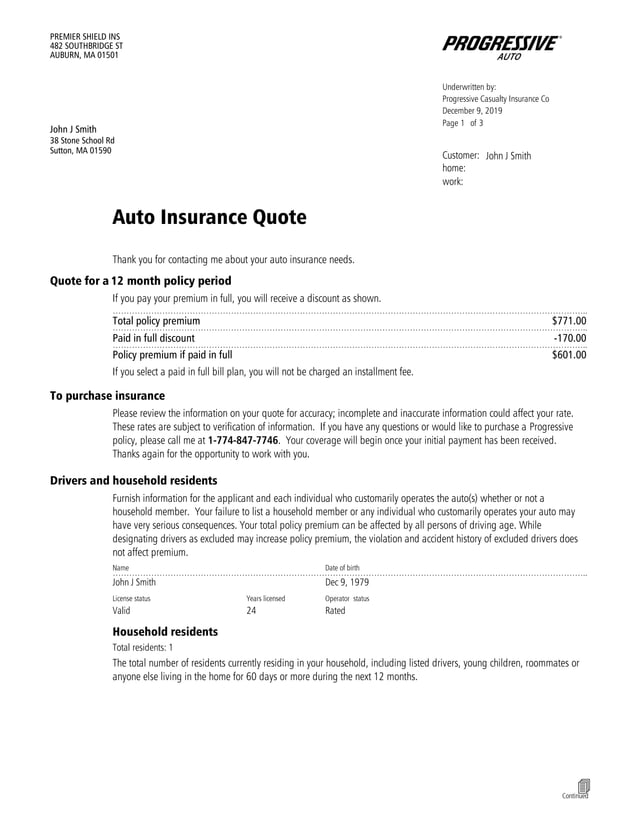
Understanding an auto insurance quote car is the first step toward affordable, reliable protection for any vehicle. For example, a driver in Austin, Texas, enters personal details into Geico’s online portal and receives a quote of $1,120 annually for a 2018 Honda Civic, reflecting her driving record, mileage, and chosen deductible.
These quotes matter because they translate complex risk calculations into a clear price, enabling informed decisions that balance cost with coverage quality. Historically, insurance quotes were delivered by phone or in‑person agents; digital platforms now deliver instant estimates, increasing competition and consumer empowerment.
This article unpacks the mechanics of auto insurance quote car processes, highlights factors that shape pricing, warns against common errors, and equips readers with actionable steps to secure the most favorable rate.
1. Pricing Dynamics
Insurance companies blend actuarial data with personal variables to produce a quote. Age, driving history, vehicle type, and location each carry weight, creating a formula that can vary dramatically between providers.
- Risk Assessment
The insurer evaluates the probability of a claim based on past incidents. A driver with three accidents in five years will see a higher premium than a clean‑record counterpart, illustrating how risk drives cost.
- Vehicle Profile
Cars with advanced safety features, such as automatic emergency braking, often attract lower quotes because they reduce accident likelihood. A 2022 Subaru Outback typically costs less to insure than a high‑performance sports car.
- Geographic Influence
Urban areas with dense traffic generate more claims, inflating quotes. For instance, a driver in New York City may pay 20% more than someone in a rural Midwest town for identical coverage.
- Coverage Selections
Choosing higher liability limits or adding comprehensive coverage raises the quote. A policy that includes roadside assistance and rental reimbursement will cost more than a basic liability‑only plan.
- Discount Eligibility
Bundling home and auto policies, maintaining a good credit score, or completing a defensive driving course can shave dollars off the quote, as seen when State Farm offers a 10% multi‑policy discount.
2. Data Input Accuracy
Accurate information is essential for a reliable quote. Misspelling a street name or entering an incorrect VIN can produce an estimate that either overstates risk or leaves gaps in coverage.
Insurance platforms often cross‑reference public records; discrepancies trigger manual reviews, delaying the quote process. Ensuring that driver licenses, vehicle registration details, and mileage figures are correct reduces friction and yields a more precise price.
3. Comparison Strategies
- Aggregators vs Direct Sites
Aggregators like Compare.com pull quotes from multiple carriers, offering a snapshot view. Direct sites such as Progressive’s Quote Center may provide exclusive discounts not shown on third‑party platforms.
- Time‑Based Sampling
Quotes fluctuate throughout the year due to underwriting cycles. Gathering estimates in both winter and summer can reveal seasonal price swings, helping drivers lock in the lowest possible rate.
- Policy Feature Matching
Comparisons should align coverage limits, deductibles, and optional add‑ons. Comparing a $500 deductible quote to a $1,000 deductible quote skews the analysis, leading to inaccurate conclusions.
4. Common Mistakes to Avoid
One frequent error is neglecting to disclose all drivers in a household, which can result in denied claims later. Another is assuming the cheapest quote offers sufficient protection; minimal liability may leave drivers financially exposed after a serious accident.
Skipping the review of exclusions—such as non‑coverage for rideshare activities—can also create costly gaps. Careful scrutiny of policy language prevents unpleasant surprises.
5. Discount Opportunities
- Safe Driver Programs
Telematics devices that monitor braking and acceleration can earn discounts up to 15% with insurers like Allstate, rewarding low‑risk driving habits.
- Loyalty Benefits
Long‑term customers may receive renewal credits; for example, Nationwide offers a 5% discount after three consecutive years of claim‑free coverage.
- Vehicle Safety Ratings
Cars earning high scores from the IIHS often qualify for reduced premiums, as insurers view them as less likely to suffer severe damage.
- Professional Affiliations
Membership in certain organizations—teachers, military, or alumni groups—can unlock special rates, exemplified by USAA’s exclusive offers for service members.
- Pay‑In‑Full Savings
Choosing an annual payment instead of monthly installments can eliminate processing fees, saving up to $100 per year with some carriers.
6. Regulatory and Market Trends
State regulations dictate minimum liability limits, influencing baseline quote structures. Recent trends, such as the rise of usage‑based insurance (UBI), allow drivers to pay based on actual mileage, reshaping how quotes are calculated.
Emerging technologies like AI‑driven risk modeling promise more personalized pricing, but also raise privacy considerations. Staying informed about legislative changes ensures compliance and optimal pricing.
Frequently Asked Questions
Below are concise answers to the most common queries about obtaining an auto insurance quote car.
Question 1: How long does it take to receive an auto insurance quote car?
Most online platforms generate a quote within minutes after entering required information. If additional verification is needed, such as confirming a VIN, the process may extend to 24 hours.
Question 2: Can a single quote cover multiple vehicles?
Yes, many insurers provide multi‑vehicle quotes that apply a bundled discount. Adding a second car typically reduces the per‑vehicle premium by 10‑15% compared to separate policies.
Question 3: What factors most heavily affect the quote amount?
Driving record, vehicle type, location, coverage limits, and deductible choice are the primary drivers of price. Age and credit score also play significant roles in most states.
Question 4: Are online quotes as reliable as those from agents?
Online quotes use the same actuarial data as agent‑generated estimates, provided the input data is accurate. However, agents can offer personalized advice and identify discounts not always visible online.
Question 5: How often should a quote be refreshed?
Refreshing a quote every six months captures changes in personal circumstances, market rates, and new discount programs, ensuring the most competitive price is maintained.
Question 6: Do discounts affect claim handling?
Discounts influence premium cost but do not change the underlying coverage terms. Claim handling remains consistent regardless of which discounts were applied to the policy.
Top 9 Tips for Securing the Best Auto Insurance Quote Car
Follow these actionable steps to maximize savings and coverage quality.
Tip 1: Verify every detail. Double‑check driver licenses, VINs, and mileage to avoid inaccurate pricing.
Tip 2: Compare at least three providers. Use both aggregators and direct sites for a comprehensive view.
Tip 3: Align coverage limits. Ensure each quote matches the same liability limits and deductibles before comparing costs.
Tip 4: Leverage usage‑based programs. Install telematics if safe driving habits qualify for lower rates.
Tip 5: Bundle policies. Combine home, renters, or umbrella insurance for multi‑policy discounts.
Tip 6: Review discount eligibility. Check for affiliations, safe driver, and pay‑in‑full options each time a quote is generated.
Tip 7: Update annually. Reassess coverage needs and market rates each renewal cycle to capture new savings.
Tip 8: Consider annual payment. Paying once per year often eliminates installment fees and reduces total cost.
Tip 9: Read the fine print. Confirm exclusions, especially for rideshare or aftermarket modifications, to avoid unexpected gaps.
Conclusion
Securing an optimal auto insurance quote car involves understanding pricing dynamics, providing accurate data, and strategically comparing offers. By recognizing key factors such as risk assessment, vehicle profile, and discount opportunities, drivers can navigate the market with confidence.
Continual monitoring of rates, leveraging emerging technologies, and applying the nine practical tips will ensure long‑term savings and robust protection, keeping drivers prepared for whatever the road brings.

