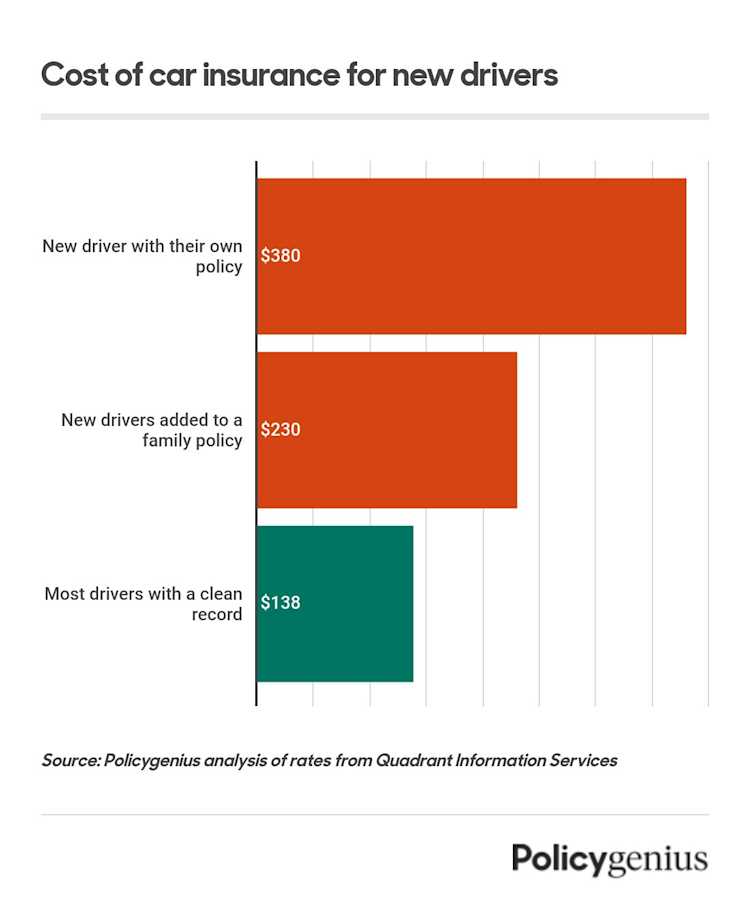
Auto insurance quotes for new drivers refer to price estimates provided by insurance carriers based on the unique risk profile of individuals who have recently obtained a driver’s license. For example, a 19‑year‑old recent graduate purchasing a compact sedan may receive three distinct offers ranging from $1,200 to $1,800 annually, each reflecting different coverage limits and discount eligibility.
Understanding these quotes is crucial because insurance represents one of the largest recurring expenses for young motorists, and early decisions influence both financial stability and legal compliance. Historically, insurers have relied on actuarial tables that penalize inexperience, yet modern underwriting incorporates a broader set of variables, allowing savvy drivers to lower premiums through targeted actions.
This article dissects the essential components of obtaining competitive auto insurance quotes for new drivers, outlines common pitfalls, and equips readers with actionable tactics to secure optimal coverage without overspending.
1. Auto Insurance Quotes for New Drivers
This section clarifies how insurers calculate rates for novices, emphasizing the blend of demographic data, vehicle characteristics, and driving behavior. By submitting personal details through online portals or speaking directly with agents, the driver receives a tailored estimate that can be compared across multiple carriers before committing to a policy.
2. Pricing Dynamics
- Age Factor
The driver’s age remains a primary determinant; younger individuals typically face higher premiums due to statistical risk. A 17‑year‑old may pay nearly double the rate of a 25‑year‑old for identical coverage, prompting the need for supplemental discounts.
- Vehicle Type
Cars with advanced safety features or lower repair costs generate cheaper quotes. For instance, a hybrid hatchback often qualifies for reduced rates compared with a high‑performance sports car.
- Credit Score
In many states, insurers incorporate credit history into pricing models. A strong credit profile can shave several hundred dollars off an annual premium, while a poor score may inflate costs significantly.
- Geographic Location
Urban areas with dense traffic and higher accident frequencies command higher premiums than rural regions. Residents of metropolitan districts often see elevated quotes relative to those in suburban locales.
- Driving History
Even a brief record of traffic violations can raise rates. Conversely, a clean slate during the first year of licensure may unlock newcomer discounts offered by select insurers.
3. Key Discount Opportunities
- Good Student Discount
Academic achievement can translate into lower premiums, with many carriers offering up to 15% off for drivers maintaining a minimum GPA. This incentive rewards responsible behavior both on the road and in the classroom.
- Multi‑Policy Bundle
Combining auto coverage with renters or homeowners insurance often yields a bundled discount, reducing overall costs by a measurable percentage.
- Defensive Driving Course
Completion of state‑approved defensive driving programs demonstrates commitment to safety and can produce immediate premium reductions, sometimes as high as 10%.
- Telematics Program
Usage‑based insurance devices track real‑time driving habits; safe driving patterns recorded over a three‑month trial may qualify the driver for lower rates.
- Low‑Mileage Discount
Driving fewer than 7,500 miles annually signals reduced exposure, prompting insurers to award mileage‑based savings to qualifying drivers.
4. Common Mistakes to Avoid
- Skipping Comparison
Relying on a single quote often leads to overpaying. Conducting a side‑by‑side analysis of at least three providers uncovers hidden savings and better coverage options.
- Ignoring Coverage Gaps
Focusing solely on price may result in insufficient liability limits or omitted uninsured motorist protection, exposing the driver to financial risk after an accident.
- Overlooking Deductibles
Selecting a low deductible inflates premium costs, while a higher deductible can lower monthly payments without compromising essential protection.
- Assuming Age Is Sole Factor
Although age influences pricing, other elements such as vehicle safety ratings and credit health also play significant roles in determining final quotes.
- Neglecting Policy Review
Failure to reassess coverage annually ignores potential discounts that emerge from improved driving records or changes in personal circumstances.
5. State Regulations Overview
Each state imposes minimum liability requirements that shape the baseline cost of auto insurance quotes for new drivers. For example, California mandates $15,000 bodily injury per person, while Florida requires $10,000 personal injury protection. Understanding these statutory thresholds helps the driver select policies that meet legal obligations without unnecessary excess.
Additionally, some jurisdictions prohibit the use of credit scores in underwriting, thereby leveling the playing field for drivers with limited credit histories. Awareness of such regulatory nuances enables more accurate comparison across state lines.
6. Comparing Quote Platforms
Online aggregators streamline the collection of multiple estimates, yet direct carrier websites sometimes feature exclusive offers not displayed on third‑party portals. A balanced approach involves initiating a search on a reputable aggregator, followed by verification on the insurer’s official site.
Mobile applications equipped with telematics capabilities further personalize pricing, allowing the driver to monitor real‑time adjustments based on actual driving behavior. Selecting the right platform maximizes transparency and facilitates informed decision‑making.
7. Building a Strong Driving Record
Consistently safe driving practices lay the foundation for progressively lower premiums over time. Maintaining a clean record for the first two years often unlocks loyalty discounts, as insurers reward demonstrated risk mitigation.
Supplementary actions such as maintaining vehicle maintenance logs, avoiding high‑risk roadways during peak traffic, and adhering to speed limits contribute to a favorable claims history, which in turn influences future auto insurance quotes for new drivers.
Frequently Asked Questions
Quick answers address the most common concerns of recent license holders seeking coverage.
Question 1: How many quotes should be obtained before selecting a policy?
Gathering at least three distinct estimates provides a robust benchmark, allowing the driver to evaluate price variations, coverage nuances, and discount availability before finalizing a decision.
Question 2: Do credit scores affect rates for new drivers?
In most states, credit history influences premium calculations; a strong credit profile can lower costs, whereas a limited or poor score may increase rates, prompting the driver to explore carriers that de‑emphasize credit factors.
Question 3: Which discounts are most valuable for recent graduates?
Good student discounts, multi‑policy bundles, and defensive driving course credits typically yield the highest savings for recent graduates, often reducing premiums by double‑digit percentages.
Question 4: Is it better to choose higher liability limits?
Higher liability limits increase protection against severe accidents and may prevent out‑of‑pocket expenses, though they also raise premiums; balancing risk exposure with budget constraints is essential.
Question 5: Can telematics programs lower insurance costs?
Telematics devices monitor real‑time driving habits; safe driving patterns documented over a trial period often qualify the driver for immediate discount offers, making them a practical tool for cost reduction.
Question 6: How often should policies be reviewed?
Annual policy reviews are advisable, especially after major life events such as moving, changing vehicles, or improving driving records, ensuring the driver continuously benefits from the most favorable rates.
Tips
Implementing these actionable steps accelerates savings and enhances coverage quality.
Tip 1: Compare at least three providers. Diverse estimates reveal hidden discounts and coverage variations.
Tip 2: Leverage good student discounts. Academic performance directly translates into lower premiums.
Tip 3: Enroll in defensive driving courses. Completion often unlocks immediate rate reductions.
Tip 4: Consider telematics enrollment. Real‑time safety tracking can produce significant savings.
Tip 5: Opt for higher deductibles if financially feasible. This choice reduces monthly payments while maintaining essential protection.
Tip 6: Bundle auto with home or renters insurance. Multi‑policy packages frequently offer bundled discounts.
Tip 7: Maintain a clean driving record. Avoiding violations accelerates eligibility for loyalty discounts.
Tip 8: Review state minimum liability requirements. Ensure coverage meets legal standards without excess.
Tip 9: Update mileage estimates annually. Accurate low‑mileage reporting can qualify for additional discounts.
Tip 10: Reassess coverage after major life changes. Adjusting limits and deductibles aligns policy with current needs.
Tip 11: Explore carriers that de‑emphasize credit scores. This strategy benefits drivers with limited credit histories.
Tip 12: Keep documentation of vehicle maintenance. Well‑maintained cars may qualify for safety‑related discounts.
Conclusion
The exploration of auto insurance quotes for new drivers reveals a multifaceted landscape where pricing dynamics, discount opportunities, regulatory considerations, and personal driving habits intersect. By methodically comparing estimates, capitalizing on available discounts, and maintaining disciplined driving behavior, recent license holders can secure affordable, comprehensive coverage.
Future advancements in telematics and data analytics promise even more personalized pricing models, suggesting that proactive engagement with evolving tools will remain essential for sustained savings and optimal protection.

