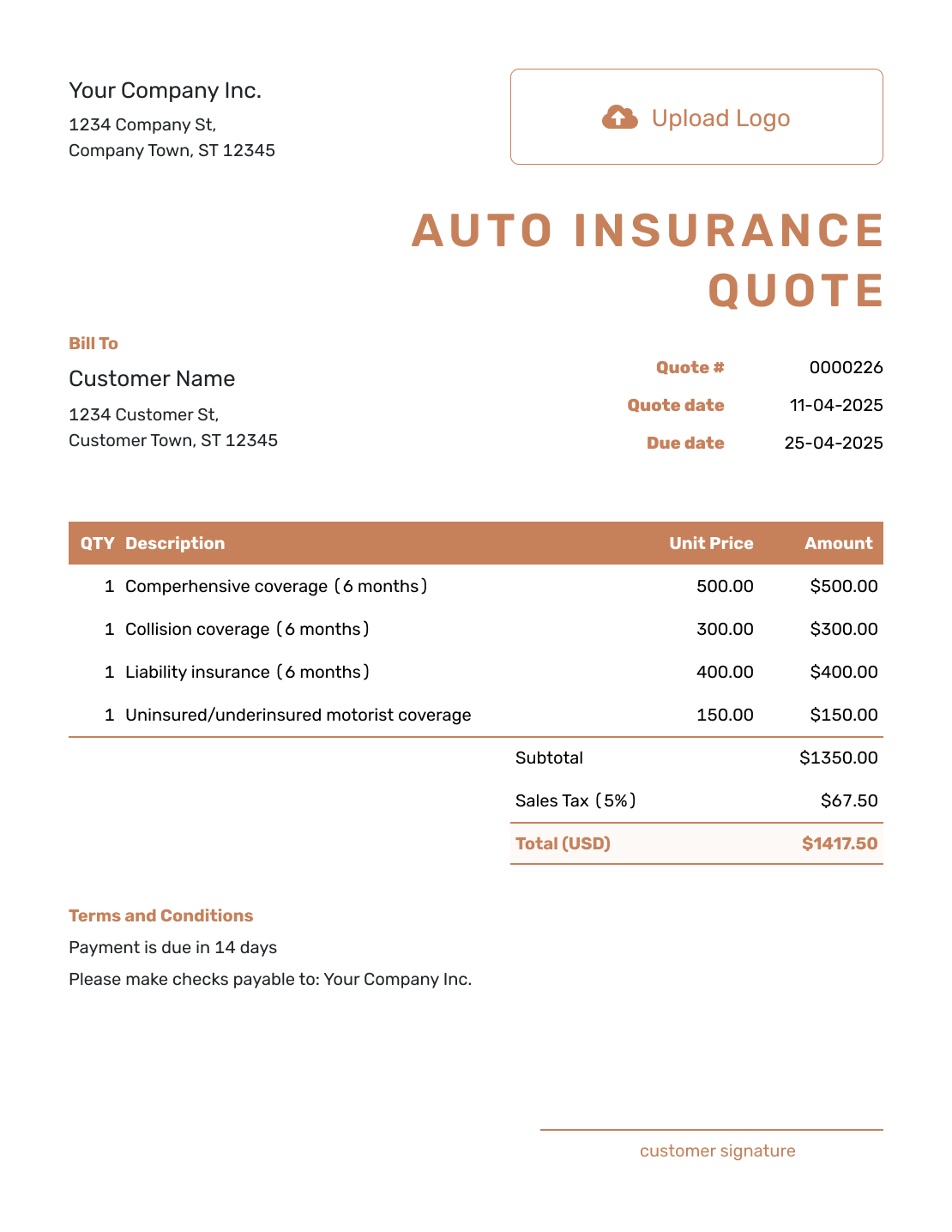
auto insurance quotes car insurance are estimates provided by insurers that predict the cost of covering a vehicle based on personal and vehicle details. For example, a 30‑year‑old driver in Ohio with a 2018 Honda Civic might receive quotes ranging from $850 to $1,200 annually, depending on the insurer’s pricing model.
Understanding these quotes matters because they directly affect household budgeting, legal compliance, and financial protection against accidents or theft. Historically, the shift from paper applications to online quote aggregators has increased market transparency, empowering drivers to make data‑driven decisions.
This article unpacks the mechanics of auto insurance quotes car insurance, highlights hidden cost drivers, compares common quote sources, and equips readers with actionable steps to secure the best coverage.
1. Understanding auto insurance quotes car insurance
The quote generation process blends actuarial data, risk factors, and state regulations. Insurers assess driver age, driving record, vehicle type, mileage, and credit score to produce a premium estimate. Knowing which variables carry the most weight helps shoppers focus on controllable factors, such as maintaining a clean driving record.
- Risk scoring
Insurers assign a numeric risk score based on crash history; a driver with two minor accidents may see a 15% premium increase. This illustrates why safe driving habits translate into lower quotes.
- Geographic weighting
Living in high‑traffic urban areas like Los Angeles often adds surcharge due to higher accident probability. Relocating to a suburban zip code can reduce the quote by several hundred dollars.
- Vehicle profile
High‑performance cars such as a BMW M3 attract higher rates because of repair costs and theft risk, whereas a midsize sedan like a Toyota Camry typically enjoys lower premiums.
2. Pricing dynamics across providers
Different insurers use distinct pricing algorithms. Traditional carriers may rely on legacy data, while digital‑only insurers leverage real‑time telematics. This creates price variance even for identical driver profiles.
For instance, a driver who opts into a usage‑based program with Metromile might pay $600 annually, whereas the same driver receiving a standard quote from State Farm could pay $950. Understanding these dynamics allows shoppers to align their preferences with the appropriate pricing model.
3. Common mistakes to avoid
- Skipping coverage comparison
Accepting the first quote without reviewing liability, collision, and comprehensive options can lead to under‑insurance. A driver who only purchases minimum liability may face out‑of‑pocket expenses after a serious claim.
- Ignoring discounts
Many insurers offer multi‑policy, safe driver, or anti‑theft device discounts. Overlooking these can add $100–$200 to an annual premium unnecessarily.
- Providing outdated information
Using last year’s mileage or an old address can skew the quote. Updating details ensures a more accurate premium estimate.
4. Role of online aggregators
Quote comparison websites aggregate offers from multiple carriers, streamlining the shopping process. While convenient, they may not display exclusive discounts available only on an insurer’s direct portal.
Example: An aggregator might show a $850 quote from Geico, yet logging directly into Geico’s site could reveal a $775 rate after applying a safe driver discount not captured by the aggregator.
5. Impact of credit scores and financial health
In most states, insurers factor credit scores into premium calculations. A driver with a 720 credit score may receive a quote 10% lower than a driver with a 620 score, reflecting perceived financial responsibility.
Improving credit health—by paying down debt and correcting errors—can therefore lower future auto insurance quotes car insurance, delivering long‑term savings.
6. Legal requirements and minimum coverage
Each state mandates minimum liability limits, such as 25/50/20 in many jurisdictions. While these minimums satisfy legal obligations, they often fall short of covering severe accidents, prompting many drivers to purchase higher limits.
Balancing legal compliance with adequate protection is a key consideration when evaluating quotes, ensuring that the selected policy avoids costly gaps in coverage.
7. Future trends in auto insurance quoting
Telematics, AI‑driven risk assessment, and usage‑based insurance are reshaping how quotes are generated. Real‑time driving data can reward low‑risk behavior with dynamic premium adjustments.
As autonomous vehicles become more common, insurers will likely shift from driver‑centric to technology‑centric risk models, further influencing quote structures.
Frequently Asked Questions
Below are concise answers to the most common queries about auto insurance quotes car insurance.
Question 1: How are auto insurance quotes calculated?
Quotes blend personal data—age, driving record, credit score—with vehicle specifics and location. Insurers apply actuarial formulas to estimate risk, then add state fees and taxes, resulting in a premium estimate.
Question 2: Can the same driver receive different quotes from two companies?
Yes. Each insurer uses unique rating algorithms and weighting of risk factors, so premiums can vary widely even for identical driver profiles.
Question 3: Are online quote aggregators reliable?
Aggregators provide a useful overview but may miss exclusive discounts offered directly by insurers. It’s advisable to cross‑check promising quotes on the carrier’s own website.
Question 4: What discounts are commonly available?
Typical discounts include multi‑policy bundling, safe driver, good student, anti‑theft device, low mileage, and loyalty incentives. Eligibility varies by insurer.
Question 5: Does a higher credit score lower my premium?
In most states, a better credit score signals lower risk, often resulting in a 5‑15% reduction in premiums. Improving credit health can therefore produce tangible savings on future quotes.
Question 6: Should I always choose the cheapest quote?
Not necessarily. The lowest premium may lack essential coverage or higher limits. Evaluating policy features, deductibles, and claim handling reputation ensures value beyond price alone.
Tips for Getting the Best Auto Insurance Quotes
Follow these 16 actionable steps to secure optimal rates and coverage.
Tip 1: Verify personal data. Ensure name, address, and driving history are up‑to‑date before requesting quotes.
Tip 2: Compare coverage limits. Look beyond price; higher liability limits can prevent costly out‑of‑pocket expenses.
Tip 3: Bundle policies. Combine auto with home or renters insurance to unlock multi‑policy discounts.
Tip 4: Use telematics wisely. Enroll in usage‑based programs if driving habits are low‑risk to earn lower premiums.
Tip 5: Check discount eligibility. Review each insurer’s discount list for safe driver, anti‑theft, or good student savings.
Tip 6: Maintain a clean record. Avoid accidents and tickets; each clean year can reduce risk scores.
Tip 7: Improve credit score. Pay down debts and correct errors to qualify for credit‑based discounts.
Tip 8: Re‑evaluate annually. Insurance needs change; revisit quotes each renewal period.
Tip 9: Shop during off‑peak seasons. Mid‑year months often see promotional rates and lower demand.
Tip 10: Consider higher deductibles. Raising the deductible can lower the premium, provided it remains affordable.
Tip 11: Review claim history. A recent claim can spike rates; consider waiting a year before re‑quoting.
Tip 12: Ask about loyalty perks. Long‑term customers may receive retention discounts not advertised publicly.
Tip 13: Evaluate insurer reputation. Look up claim satisfaction scores to ensure prompt service.
Tip 14: Update vehicle safety features. Installing anti‑theft devices or advanced driver‑assist systems can yield discounts.
Tip 15: Limit coverage to actual needs. Remove unnecessary add‑ons like roadside assistance if already covered elsewhere.
Tip 16: Use multiple quote sources. Combine aggregator results with direct carrier inquiries for the most comprehensive view.
Conclusion
Analyzing auto insurance quotes car insurance involves understanding risk scoring, pricing dynamics, and the influence of credit, location, and vehicle type. By avoiding common pitfalls, leveraging discounts, and staying informed about emerging trends, drivers can secure affordable, comprehensive coverage.
Armed with the insights and 16 practical tips provided, the next quote comparison will be a confident, strategic step toward financial protection on the road.

