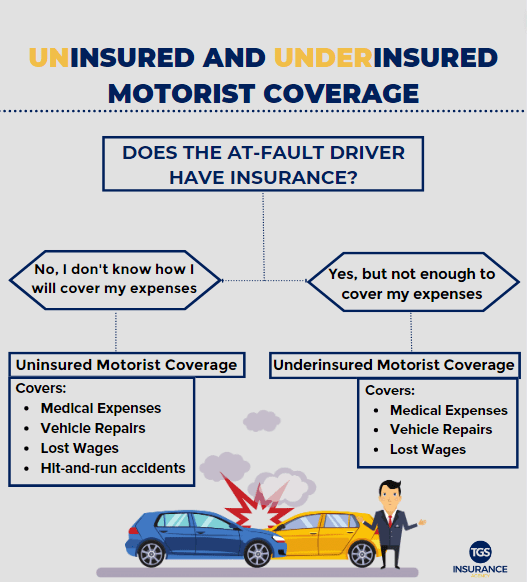
Auto insurance uninsured motorist coverage steps in when a driver without insurance causes a crash, ensuring that medical bills and damages are still paid. For example, if a driver in a rental car hits a pedestrian and lacks insurance, the victim can claim under the uninsured motorist (UM) portion of the victim’s own policy.
This type of protection became crucial as the number of uninsured drivers rose sharply after the 2008 financial crisis, prompting states to mandate minimum UM limits. Benefits include covering medical expenses, lost wages, and pain‑and‑suffering that would otherwise fall on the injured party.
The following sections explore the mechanics, legal nuances, cost factors, and practical steps to make the most of auto insurance uninsured motorist coverage.
1. Understanding Coverage Basics
Uninsured motorist (UM) coverage is a component of a standard auto policy that pays for injuries and, in some states, property damage caused by an uninsured driver. It acts as a safety net, filling gaps left by the at‑fault party’s lack of insurance.
In states like California and New York, UM is optional but highly recommended, whereas Florida requires a minimum UM limit. The coverage typically mirrors the bodily injury liability limits chosen by the policyholder.
- Policy Limits
These define the maximum payout per person and per accident. A driver with 50/100 limits can claim up to $50,000 per person, $100,000 total. Higher limits reduce out‑of‑pocket risk.
- Medical Payments vs. UM
Medical payments coverage (MedPay) pays regardless of fault, while UM requires proof the other driver was uninsured. MedPay can supplement UM for quicker reimbursement.
- Property Damage
Some policies include uninsured motorist property damage (UMPD), covering vehicle repairs when the at‑fault driver lacks insurance.
2. Legal Requirements by State
Each state sets its own rules for UM coverage. In Texas, drivers must carry UM unless they reject it in writing; the minimum is $25,000 per person. In contrast, Pennsylvania offers UM as an optional endorsement.
Understanding local statutes helps avoid surprise gaps. For instance, a driver traveling from a no‑UM state into a state that mandates UM may discover their existing policy lacks required protection, prompting a supplemental purchase.
3. Cost Factors and Pricing Dynamics
- Risk Profile
Drivers with a history of accidents or residing in high‑uninsured‑rate areas often face higher UM premiums.
- Coverage Limits
Increasing limits from 25/50 to 100/300 can raise the premium by 10‑20%, but the added protection is usually worth the cost.
- Bundling Discounts
Insurers frequently discount UM when bundled with home or renters insurance, creating savings of up to 15%.
- Deductibles
Choosing a higher deductible reduces the premium but raises out‑of‑pocket expenses when a claim arises.
4. Claim Process and Documentation
When filing a UM claim, the insured must provide police reports, medical records, and proof the at‑fault driver lacked insurance. Prompt notification to the insurer—typically within 30 days—ensures the claim stays active.
Insurance adjusters may request additional evidence, such as witness statements or repair estimates. A well‑documented claim speeds up settlement and minimizes disputes.
5. Common Pitfalls and How to Avoid Them
- Assuming Coverage Exists
Some drivers mistakenly believe UM is automatic. Reviewing the policy declaration page confirms inclusion.
- Under‑Insuring
Choosing low limits saves money upfront but can leave victims with substantial unreimbursed expenses after a serious crash.
- Neglecting State Variations
Traveling across state lines without adjusting UM limits can expose gaps, especially in states with higher minimums.
6. Interaction with Other Coverages
UM works alongside personal injury protection (PIP) and health insurance. PIP may cover medical costs first, with UM picking up remaining amounts. Health insurers often coordinate benefits, reducing the overall out‑of‑pocket burden.
Understanding the coordination of benefits hierarchy prevents duplicate billing and ensures the highest-paying coverage is applied first.
Frequently Asked Questions
Below are concise answers to the most common queries about auto insurance uninsured motorist coverage.
Question 1: What does uninsured motorist coverage actually pay for?
It typically covers medical expenses, lost wages, and pain‑and‑suffering for the policyholder and passengers when an at‑fault driver has no insurance. Some states also include property damage.
Question 2: Is uninsured motorist coverage required everywhere?
No. Requirements vary: states like Florida mandate minimum UM limits, while others such as Pennsylvania offer it as optional. Checking local regulations is essential.
Question 3: How does UM differ from underinsured motorist coverage?
UM applies when the at‑fault driver has no insurance at all. Underinsured motorist (UIM) kicks in when the driver’s liability limits are insufficient to cover full damages.
Question 4: Can UM cover vehicle repairs?
Only if the policy includes uninsured motorist property damage (UMPD). Without this endorsement, vehicle repairs fall to collision coverage or out‑of‑pocket costs.
Question 5: Does filing a UM claim affect premium rates?
It can. Insurers may view a claim as increased risk, potentially raising premiums on renewal. However, many offer a “claims‑free” discount that mitigates impact.
Question 6: How much UM coverage is advisable?
Experts recommend limits at least equal to your bodily injury liability limits, often 100/300 or higher, to ensure sufficient protection against severe injuries.
9 Tips for Maximizing Uninsured Motorist Protection
Practical steps to ensure optimal coverage and peace of mind.
Tip 1: Review policy declarations. Confirm UM is listed and note the exact limits.
Tip 2: Match UM limits to liability limits. Align them to avoid under‑insuring yourself.
Tip 3: Add UMPD if vehicle repair coverage is needed. This fills the gap for property damage.
Tip 4: Check state minimums. Adjust your policy to meet or exceed local legal requirements.
Tip 5: Bundle with home or renters insurance. Leverage multi‑policy discounts for lower premiums.
Tip 6: Increase limits gradually. Evaluate risk exposure annually and raise limits as needed.
Tip 7: Keep thorough accident records. Documentation speeds claim processing and maximizes payout.
Tip 8: Understand coordination of benefits. Know how UM interacts with health, PIP, and MedPay.
Tip 9: Reassess after major life changes. New drivers, moves, or vehicle purchases may require coverage adjustments.
Conclusion
Auto insurance uninsured motorist coverage serves as a vital safety net, bridging the gap left by drivers without insurance and protecting victims from costly medical and loss‑of‑income expenses. By grasping legal requirements, cost dynamics, claim procedures, and interaction with other coverages, drivers can make informed decisions.
Staying proactive—regularly reviewing limits, bundling policies, and keeping detailed records—ensures that this protection remains robust, adaptable, and ready for any unforeseen incident on the road.

